

If you use Outlook to manage your contacts, you may wonder how to sync those contacts to your iPhone.
Updating contacts across multiple devices, such as your computer and iPhone, is a great way to stay organized and efficient.
So, in this guide, we will show you five ways to sync Outlook contacts to iPhone. We will talk about the Outlook app, iCloud, iTunes, and third-party apps.
For Android devices, check out our guide on how to sync Outlook contacts to Android devices.
Key Takeaways:
- There are 5 methods for syncing Outlook contacts to iPhones: 1) Using the Outlook app, 2) Using Exchange on iPhone, 3) Using iCloud, 4) Using iTunes, and 5) Using CiraSync.
- CiraSync is the best tool for syncing Outlook contacts to iPhones.
- The common issues when you sync Outlook contacts to iPhones are: 1) Duplicated contacts, 2) Syncing errors, and 3) Missing contacts.
- Syncing will merge your Outlook contacts with existing contacts in your iPhone Contacts app.
TL;DR
If you manage contacts in Outlook, you can sync them to your iPhone in a few minutes. This guide covers five current methods, using the Outlook app, an Exchange account, iCloud, iTunes, and CiraSync for organizations that need automatic, always-current syncing. Each set of steps is updated for iOS 17 and later.
How to Sync Outlook Contacts to iPhone (2026)
Quick answer: The easiest way is the Outlook mobile app – profile > gear > your account > turn on Save Contacts. This is a one-way push from Outlook to the iPhone, so edit contacts in Outlook. For two-way sync, add your account as Microsoft Exchange (Settings > Apps > Contacts > Contacts Accounts > Add Account) with Contacts on. iCloud for Windows also works. Syncing via iTunes or Finder is a legacy method that’s no longer recommended – use iCloud instead.
| Method | Auto-updates? | Direction | GAL/shared contacts? |
| Outlook app | Yes | One-way (Outlook to iPhone) | No |
| Exchange account | Yes | Two-way | No |
| iCloud for Windows | Yes | Depends on configuration | No |
| CiraSync | Yes | TBA | Yes |
Important Note: native methods sync only your personal contacts. To get the company Global Address List or shared contacts onto your iPhone with caller ID, you need a tool like CiraSync – iOS won’t sync shared folders on its own.
Not syncing? Set Settings > Contacts > Default Account to your Outlook account (not iCloud), and make sure the Contacts toggle is on.
Personal Contacts vs Shared/GAL Contacts: Why the Native Methods Only Do Half the Job
Before choosing a method, know which contacts you’re syncing. The native options – the Outlook app, an Exchange account, or iCloud – sync the personal contacts saved in your own mailbox. What they can’t do is push your company’s Global Address List (GAL) or shared contact folders into your iPhone’s native Contacts app. That’s not something you can toggle on. Native Exchange and Outlook tools let users search the organizational directory, but they don’t automatically save GAL or shared-folder entries into the iPhone’s Contacts database, which is what enables caller ID. You can look a colleague up in the Outlook mobile app, but their name and number won’t appear on an incoming call, and you can’t call them from your phone’s keypad.
This is the gap CiraSync closes: it writes GAL and shared contacts directly into each user’s mailbox, so they appear in the native iPhone Contacts app automatically – with caller ID – and stay current as people join, leave, or change numbers. Users can search the GAL through supported Outlook and Exchange interfaces, but GAL entries do not automatically become saved contacts in the iPhone’s native Contacts app without a tool.
Outlook Contacts Not Syncing to iPhone? Fixes That Work
- Wrong default account (the #1 cause) – the fix depends on how contacts reach the phone. If you use the Outlook app’s Save Contacts feature, your contacts are stored under iCloud, so iCloud must be enabled and set as the default (Settings > Apps > Contacts > Default Account > iCloud); then turn on Save Contacts in Outlook. If you added an Exchange account directly to iOS, confirm Contacts is enabled for it under Settings > Apps > Contacts, and set it as the default only if you want new contacts you create on the phone saved there.
- Contacts toggle off – Settings > [your Exchange account] > turn Contacts on. In the Outlook app: profile > gear > your account > Save Contacts on.
- Reset the Save Contacts toggle – Turn Save Contacts off, wait, turn it back on – this re-triggers the sync.
- Force-close and reopen the Outlook app – (and enable Background App Refresh: Settings > Outlook > Background App Refresh).
- Re-add the account. Settings > Mail > Accounts > remove the work account, then add it back (Exchange), Contacts on.
- Broken ActiveSync partnership (server side) – Email still syncs but contacts don’t → the sync partnership is corrupt. Fix: remove the device via Outlook on the web (Settings > Mobile devices), or have IT check ActiveSync device access rules in the Exchange admin center.
- After an iOS update or phone rebuild – iOS permission changes can break contact sync while leaving mail working – reconfigure the account.
- Duplicates after sync – review and merge under Contacts > View Duplicates rather than deleting by hand. If the duplicates came specifically from Outlook’s Save Contacts, disable Save Contacts for that account, then use Settings > Help & Feedback > Delete All Saved Contacts in the Outlook app before re-enabling.
Method 1: Sync Outlook Contacts With the Outlook App on iPhone
Outlook’s mobile app provides seamless access to Outlook’s email, calendar, and contacts. Follow the steps below to sync your contacts with an iPhone:
Prerequisites:
- Download the Outlook App: If you haven’t done so already, download the Outlook for iPhone app.
- Sign in to your Outlook Account: Upon launching the app, sign in with your credentials. This step grants you access to your email, calendar, and contacts within the app.
- Set iCloud as Default Account (Optional):
If you wish to sync and view your Outlook contacts across all your iOS devices (like iPads or other iPhones), it’s ideal to have iCloud set as your default account.
- To do this, navigate to your iPhone’s “Settings.”
- Select “Contacts.” Contacts.
- Under Contacts, find and select the “Default Account” option.
- Set the Default Account to iCloud.
Contact Syncing Process with Outlook App on iPhone:
1, Open the Outlook App: Start by launching the Outlook app on your device.
2. Access the Settings:
Tap on your profile icon, located at the top-left corner of the screen.
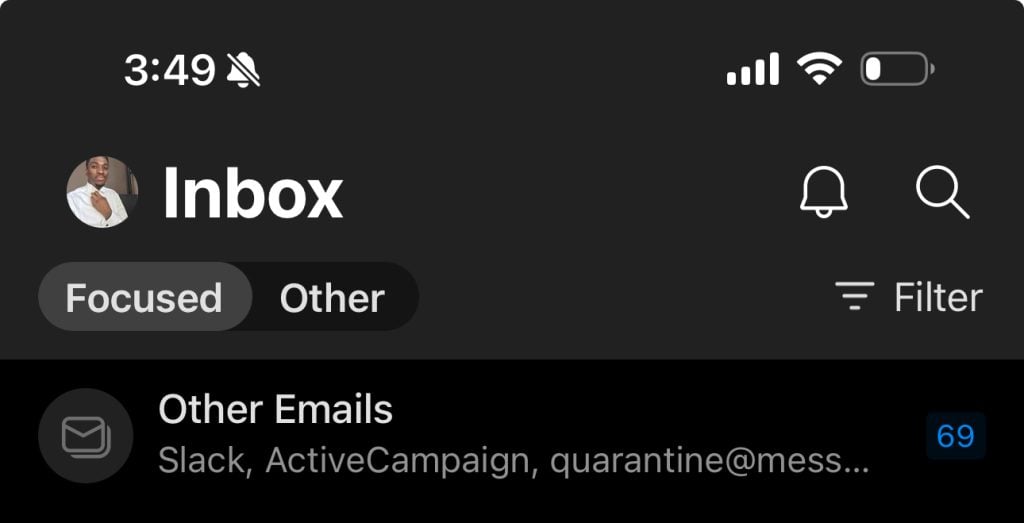
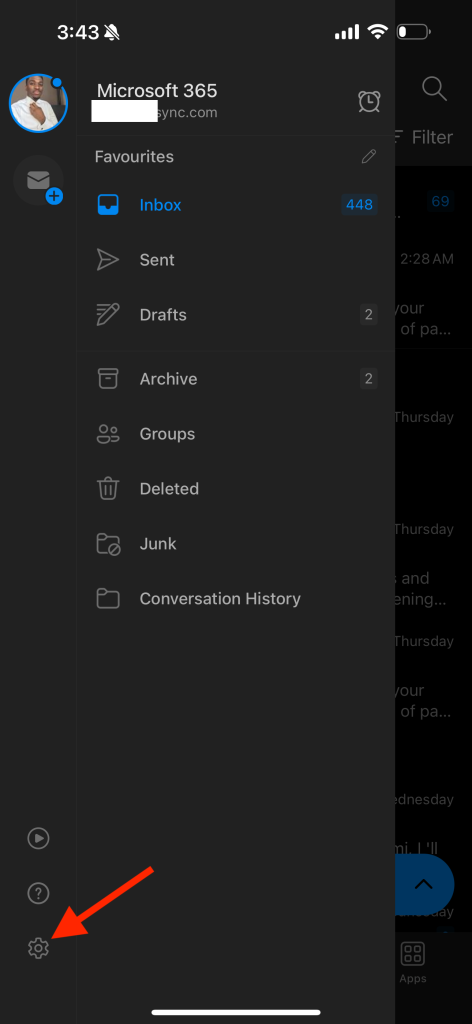
Next, tap on the gear icon, indicating ‚Settings.‘
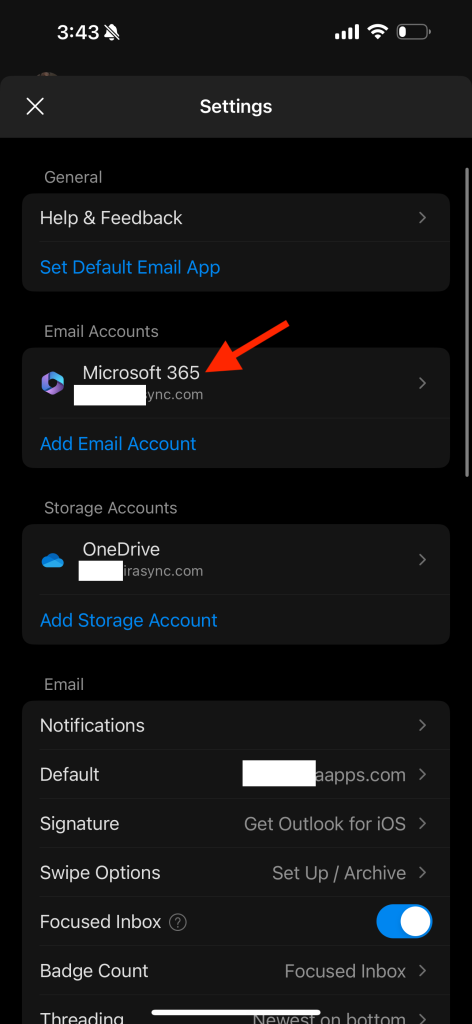
3. Choose your Outlook Account: From the options, tap and select your Outlook account.
4. Sync Contacts:
Locate the „Save Contacts“ option and switch its toggle to the ON position.
You’ll then receive a prompt asking for permission to save your Outlook contacts to your iPhone. It’s recommended to plug your iPhone into a power source during this process for seamless syncing.
Tap „Save to my iPhone“.
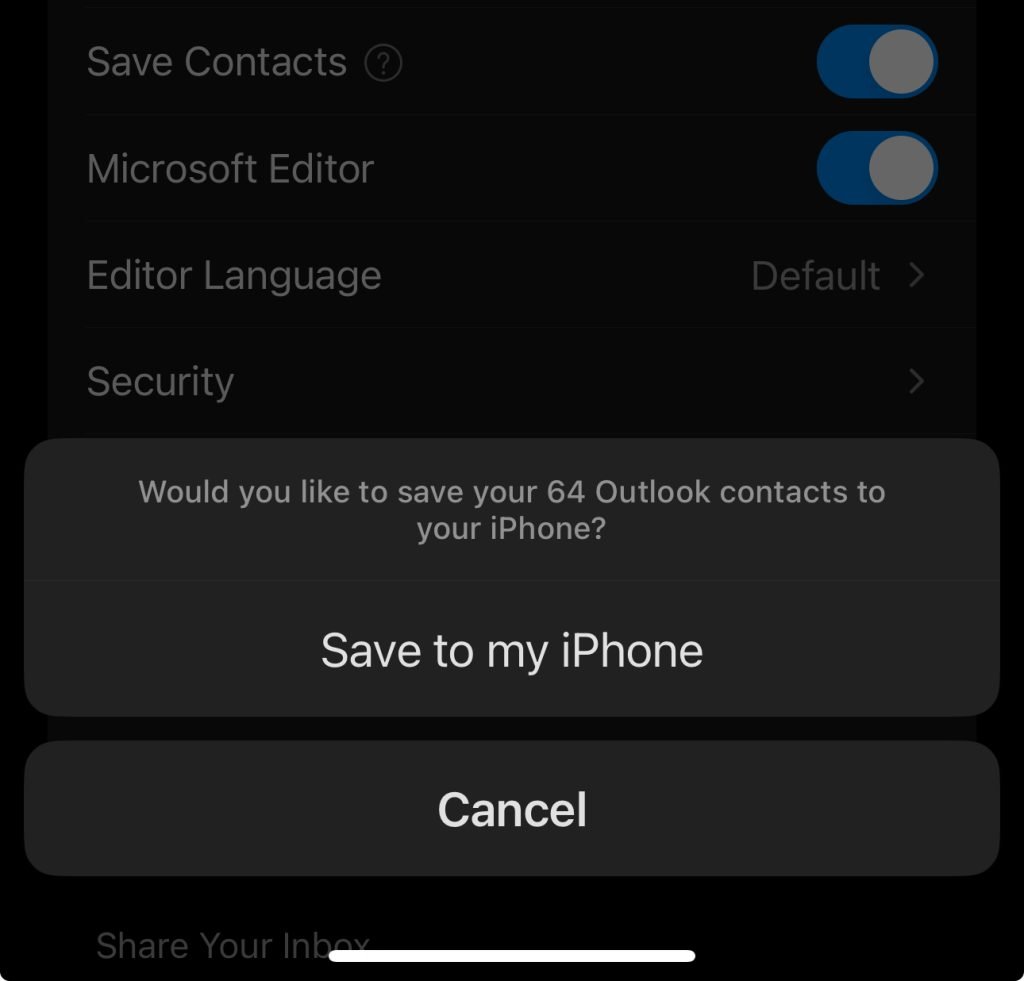
Voila! Once you’ve completed these steps, you can access your Outlook contacts directly from the Contacts app on your iPhone.
Recommended reading: How to Create Outlook Contact Folders?
Method 2: Sync Outlook Contacts Using Exchange on iPhone
If you’re using an Exchange account (common in corporate settings), it’s straightforward:
- Open Settings on your iPhone.
- Scroll down and select Mail.
- Tap Accounts > Add Account > Microsoft Exchange.
- Enter your Outlook (Exchange) email address and tap Next.
- When prompted, provide your password and other details
- Once your account information is verified, ensure that the Contacts toggle is switched on.
- Tap Save.
This action will sync your Outlook contacts to your iPhone’s Contacts app.
Recommended reading: How to View the Global Address List in Outlook?
Method 3: Sync Outlook Contacts Using iCloud
For this method, you’ll need to sync Outlook with iCloud on your computer, and then iCloud will sync with your iPhone.
- Install iCloud on your computer.
- Open iCloud and sign in with your Apple ID.
- Ensure you check the box for “Mail, Contacts, Calendars, and Tasks with Outlook.”
- Click Apply. This syncs your Outlook contacts with iCloud.
- On your iPhone, go to Settings > [Your Name] > iCloud.
- Ensure the Contacts toggle is turned on to sync your contacts.
Your iPhone will now sync with iCloud, bringing in your Outlook contacts.
Method 4: Sync via iTunes/Finder (Legacy – Not Recommended)
Syncing through iTunes or Finder is a legacy, computer-dependent method that is no longer recommended for most users. On macOS Catalina or later iTunes no longer exists, so Mac users sync through the Finder (connect iPhone > select it in the Finder sidebar > Info tab).
You’ll need to plug your iPhone into a computer and follow the steps below, depending on your operating system:
For Windows (Using iTunes):
- Connect your iPhone to your computer and open iTunes.
- Click on your iPhone’s icon in the upper left corner.
- Go to the Info tab.
- Check the box next to „Sync Contacts with“ and choose „Outlook“ from the dropdown list.
- Decide whether you want to sync „All Contacts“ or „Selected Groups.“
- Click „Apply.“ iTunes will sync your Outlook contacts with your iPhone.
Method 5: Sync Outlook Contacts with iPhone Using CiraSync
Many employees and business people face the problem of not having their colleagues, customers, or vendors‘ contact information on their smartphones.
If they use Outlook, they may want to have contacts from their organization’s Global Address List (GAL) synced with their business or personal smartphones. CiraSync’s web app allows users to sync contacts from their organization’s contact repository to their smartphones in real time.
Unlike manually syncing GAL contacts to Outlook where users need to initiate the sync whenever there are contact changes (e.g., contact additions, deletions, modifications), CiraSync offers automatic contact sync throughout the day to ensure that all changes are reflected in the target device. This is particularly beneficial in large organizations with a large volume of users.
Follow the step-by-step process below to sync Outlook contacts with CiraSync with the video or step by step instructions down below:
Step-by Step Instructions
- Sign up for CiraSync, then visit the CiraSync website in your computer’s web browser and log in.
- Click the ‚+‘ symbol within the ‚Contact Lists.
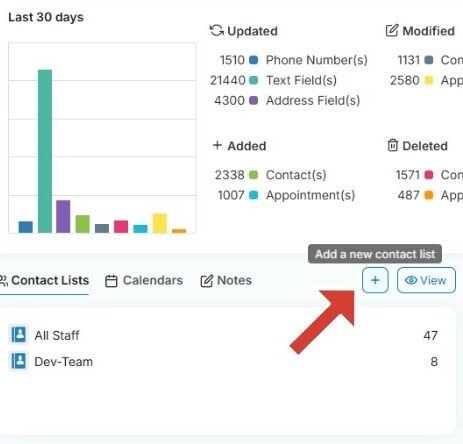
3. Choose the contact ‘Source Type.‘ In this example, we’ll use the ‚Global Address List‘ as the contact source.

4. Click on Collections.
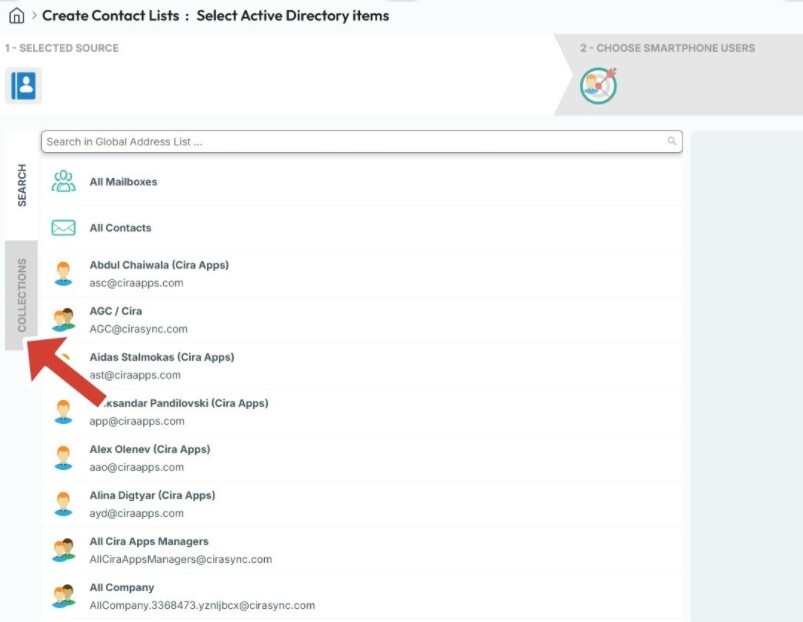
5. Select the desired Contact sources.
6. Click the NEXT button on the top-right corner. (See figure below.)
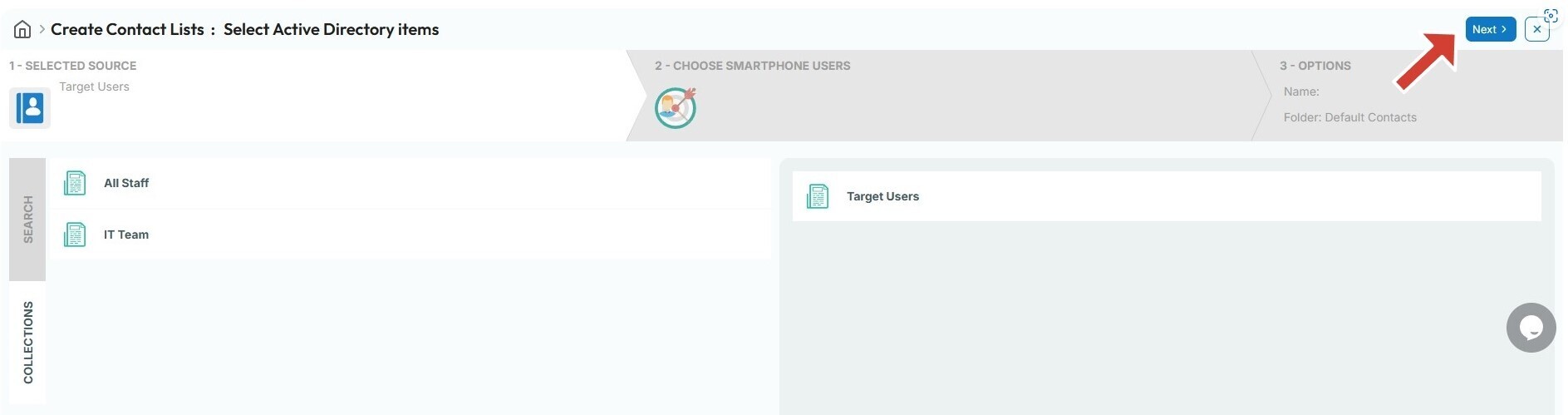
7. Select the user contact you would like to use as a target.
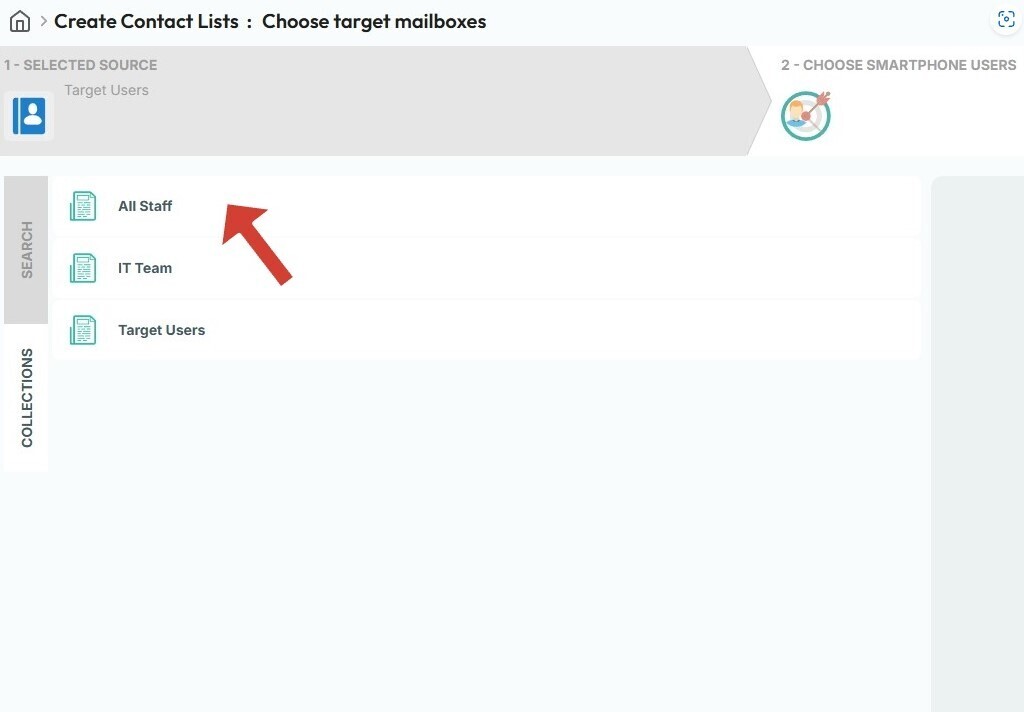
8.Click NEXT on the top-right corner.
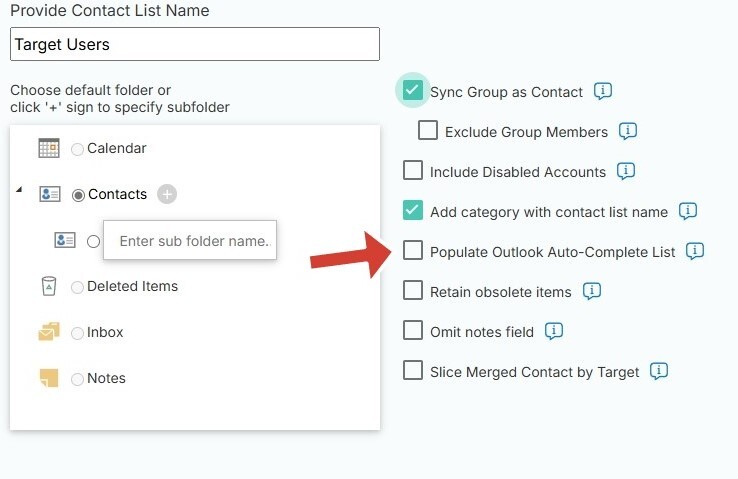
9. Name the contact list in the box under Provide Contact List Name.
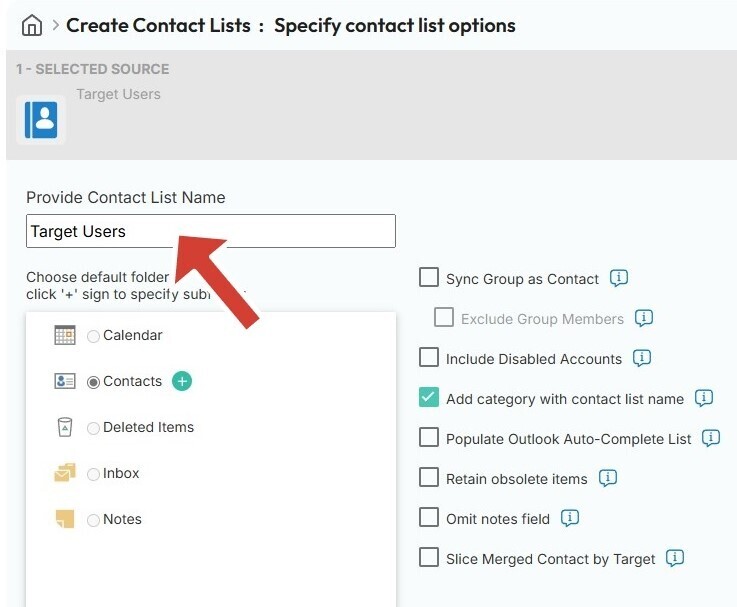
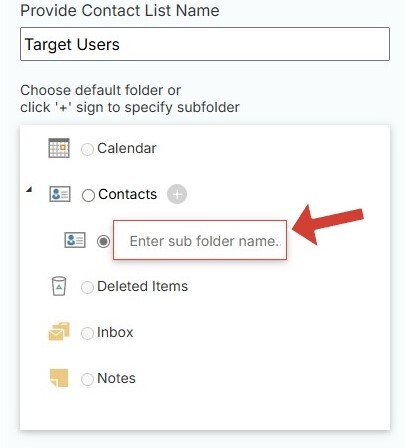
10.Click the + next to Contacts.

11. Enter the preferred name of your subfolder.
12. Check Sync Contact Groups if you have groups in the contact list and would like to sync members of that group. You can choose to exclude Group members from syncing.
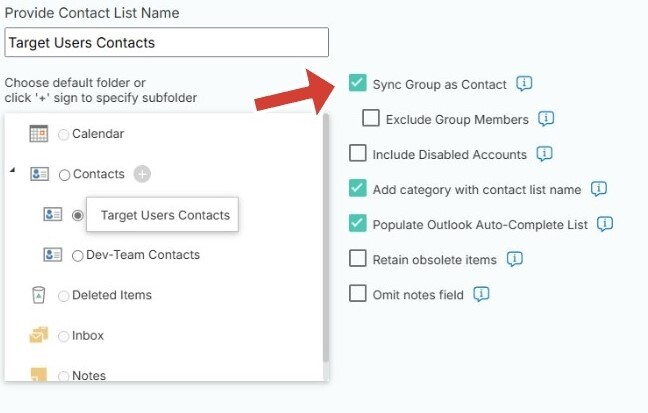
13. Check Populate Outlook Auto-Complete List if you want these sync contacts appear in the Outlook Auto-Complete list.
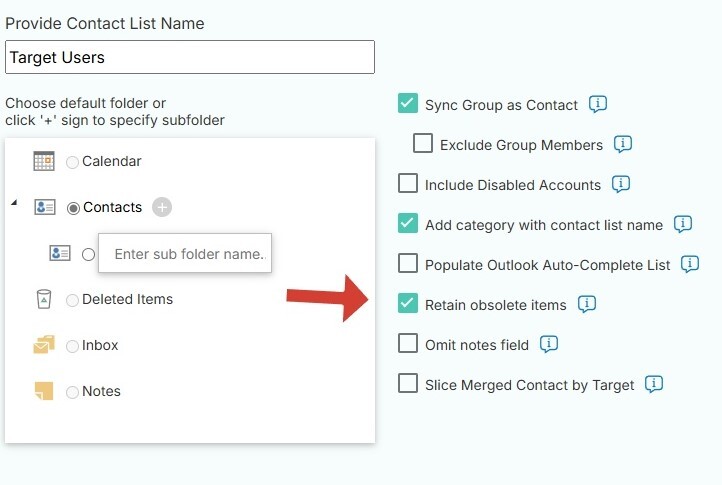
14. By default, CiraSync will remove a Contact from the targeted mailbox if it is removed from the Source. In case you would like to allow Users to keep these obsolete items, check Retain obsolete items.
15. Click SAVE. (See figure below.)

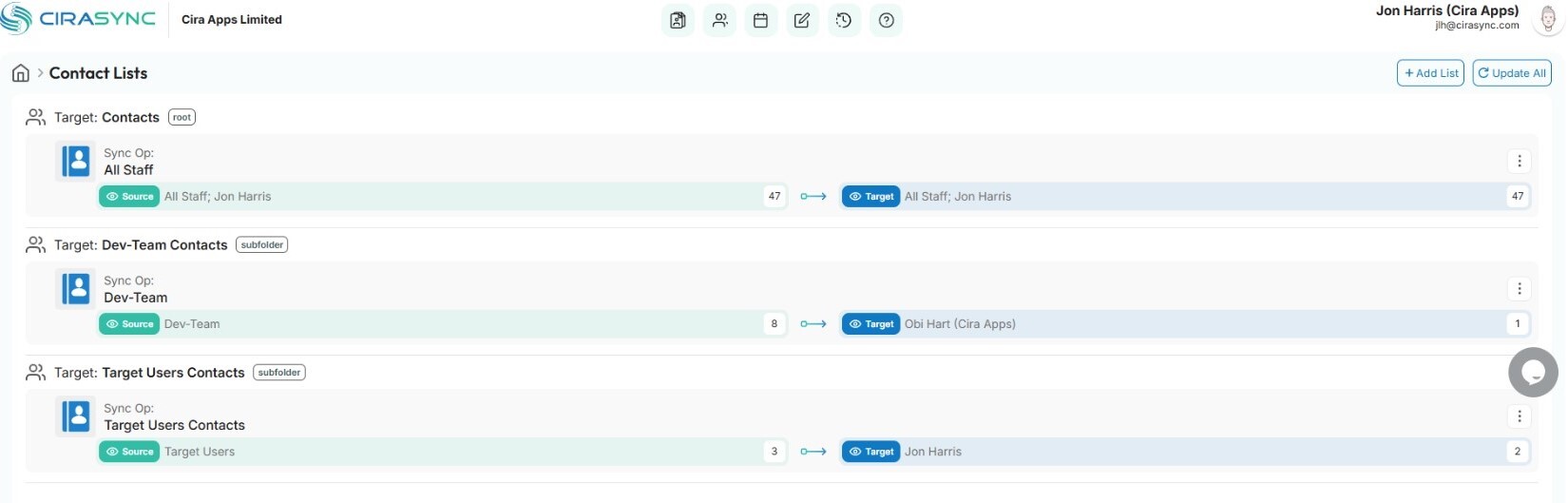
16. You will be taken to the sync summary dashboard. (See figure below.)
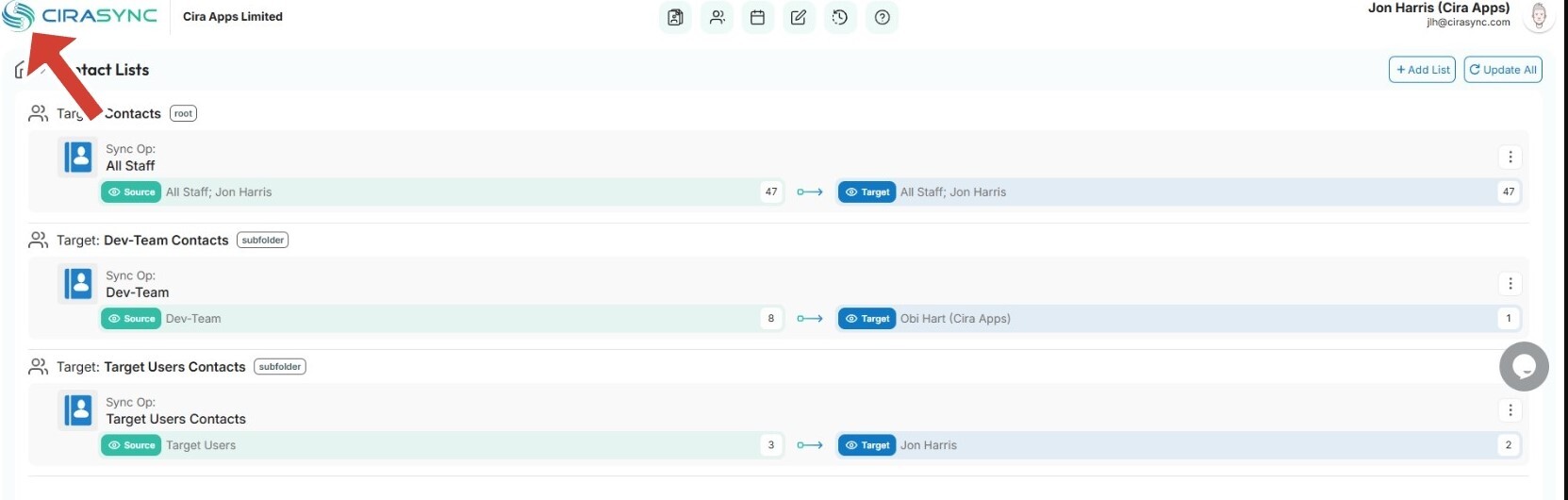
17. Click the CiraSync icon in the top-left corner of the window to return to the CiraSync home dashboard.
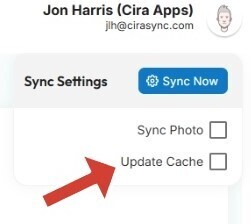
18. Check the Update Cache box under the Sync Status pane in the top-right corner of the dashboard.
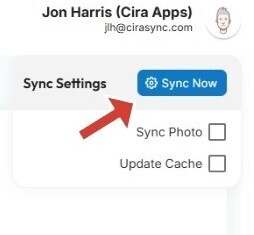
19. Click SYNC NOW to run a manual sync.
That’s it! By following the instructions above, CiraSync will sync your Outlook contacts to your iPhone’s contact list, making communication and accessibility easier than ever.
Common Issues with Contact Synchronization
Contact sync between different devices and applications is intended to ensure that a user has the same contacts regardless of where they access them. However, this useful feature isn’t without its challenges.
The following are common issues that users encounter when trying to sync their contacts:
1. Duplicate Contacts
One of the most common issues with contact syncing is duplicate contacts. This happens when the same contact exists at least twice in multiple synced accounts.
It can also happen when contacts are manually imported from different sources or contacts get updated in one source but not in others.
The first solution includes ensuring that your sync settings are correctly configured to prevent unnecessary duplications. Or you can also manually merge duplicates within your contact management application.
However, these methods can be highly time-consuming.
2. Contacts Not Syncing Properly
Despite having the sync option enabled, contacts sometimes don’t sync correctly.
This can be due to several reasons, including network connectivity issues, software glitches, or incorrect syncing configurations.
3. Missing Contacts
Occasionally, after a sync, users may find that some contacts are missing entirely from their device.
It occurs due to filters applied in the viewing options and contacts saved in accounts not synced. Moreover, deleting contacts in one source may not be deleted in others.
Security Risks Associated with Syncing Contacts
Syncing contacts over the cloud presents some security risks, including unauthorized access, data interception during transmission, and data corruption or tampering.
Potential security risks include:
- Unauthorized Access: Without proper protective measures, unauthorized individuals could potentially access sensitive contact information.
- Data Interception during Transmission: As data moves from one point to another, there’s a risk of it being intercepted by malicious entities.
- Data Corruption/Tampering: This refers to intentional or unintentional changes to the original data, making it incorrect or misleading.
CiraSync lets you sync your Outlook contacts to your iPhone with total peace of mind.
How CiraSync Addresses These Risks
- Encrypted Transmissions:
CiraSync uses advanced encryption protocols to ensure that all data remains confidential and secure as it is transmitted.
- Selective Syncing:
Not all contacts may be relevant or necessary for syncing, and some may be more sensitive than others. CiraSync allows you to select specific contacts or folders to sync to iPhones.
This feature not only saves storage but also boosts privacy, ensuring that only your desired data is synced over the cloud.
- Regular Backups:
Data can sometimes be deleted accidentally or become corrupted. In such instances, the ability to restore that data quickly is crucial. CiraSync offers backup functionalities. And thanks to that, you can recover your data in its original form anytime.
- Secure Authentication:
The initial point of entry is often the most vulnerable, which is why it’s absolutely critical to have robust authentication procedures in place. CiraSync comes with multi-layered security to ensure that only individuals with proper permission can access your synced data.
You Can Sync Outlook Contacts to iPhone
While there are multiple methods to sync your Outlook contacts with your iPhone, the choice ultimately rests on your personal preference and the tools you have.
Whether using Microsoft’s native tools, leveraging iCloud, relying on iTunes, or using a dedicated tool like CiraSync, the goal is to ensure you always have your essential contacts at your fingertips.
FAQ on Outlook Contact Syncing on iPhones
Can I sync Outlook contacts on my iPhone?
Yes, you can sync Outlook contacts to your iPhone. You can either use the Outlook mobile app, iCloud, iTunes, or third-party apps like CiraSync.
How often does iCloud sync my Outlook contacts with my iPhone?
iCloud usually syncs Outlook contacts automatically whenever any changes are made, provided you are connected to Wi-Fi and your battery isn’t critically low.
Why won’t my Outlook Contacts sync with my iPhone?
There can be multiple reasons: iCloud might not be set up correctly, there could be a software glitch, or syncing might be paused due to low battery or no Wi-Fi.
Can I sync multiple Outlook accounts with my iPhone?
You can add multiple Outlook accounts to your iPhone and sync contacts from all of them.
What happens to my existing iPhone contacts during the sync?
Typically, syncing will merge your Outlook contacts with existing iPhone contacts. However, depending on your settings and the method used, there’s a risk of duplicates or overwriting.
What should I do if my contacts are not syncing as expected?
If your contacts don’t sync as expected, check your sync settings, ensure a stable internet connection, or troubleshoot the issue.
Does using iTunes for contact sync affect other data on my iPhone?
Using iTunes to sync your Outlook contacts could also update other aspects of your iPhone if selected, such as music, photos, or apps. Always review sync settings to be sure it’s set to only contacts before proceeding.
How do I sync my iPhone Contacts with Outlook and Gmail?
You can sync iPhone contacts with Outlook and Gmail by using Apple’s built-in settings, but you might need to set up each service separately.
Where are Outlook contacts stored?
Outlook contacts are stored in the Outlook application’s address book and can be saved on the Exchange server if it’s a work account.
How do I export my Outlook contacts?
To export Outlook contacts, go to the File tab, choose Options, then Advanced, and click the Export button to initiate the process.
How do I view my Outlook emails on my iPhone?
To view Outlook emails on your iPhone, add your Outlook account to the Mail app on your iPhone or use the dedicated Microsoft Outlook app from the App Store.
Is Outlook POP3 or IMAP?
Outlook supports both POP3 and IMAP protocols. However, IMAP is recommended for better syncing capabilities, especially with mobile devices.
What should I do if my contacts are not syncing as expected?
If your contacts do not sync as expected, review your sync settings, check internet connectivity, or troubleshoot the issue.
Why are my Outlook contacts not syncing to my iPhone?
It depends on your method. With a direct Exchange account, check that Contacts is enabled for it under Settings > Apps > Contacts. With the Outlook app’s Save Contacts feature, contacts are stored under iCloud, so make sure iCloud is your default contacts account and Save Contacts is on in Outlook. Also confirm the app and iOS are up to date.
Can I sync the Global Address List (GAL) to my iPhone?
Not automatically with native tools. You can search the GAL in the Outlook mobile app, but those entries aren’t saved into the iPhone’s native Contacts app, so they don’t show caller ID. A tool like CiraSync writes GAL contacts into your mailbox so they appear natively with caller ID.
Does syncing Outlook contacts to iPhone delete my existing contacts?
No. Your existing contacts are normally retained, but duplicate or linked cards can appear when the same person exists in more than one account. Review them under Contacts > View Duplicates rather than deleting entries by hand.
Why don’t my shared contact folders show on my iPhone?
iOS ActiveSync only syncs your default contacts folder, not shared folders. You need a sync tool to bring shared contacts into the native app.
Can I still use iTunes to sync Outlook contacts?
It’s a legacy method that’s no longer recommended. On modern macOS iTunes no longer exists, so Mac users use the Finder; on Windows it may still appear in iTunes. Apple steers users toward iCloud, so use the Outlook app, Exchange, or iCloud instead.
How do I stop duplicate contacts when syncing?
Sync through only one method, set the correct default account, and use the iPhone’s duplicate-merge feature.
How often do Outlook contacts sync to iPhone?
Exchange pushes changes to your personal contacts in near real time. GAL entries aren’t saved into the iPhone’s native Contacts app by native methods at all, so there’s no native GAL refresh schedule on the device.
How do I sync iPhone contacts back to Outlook?
Use a directly added Exchange account, which syncs two-way, and edit on either side. Note that the Outlook app’s Save Contacts feature is one-way (Outlook to iPhone) and won’t push phone edits back.