In the U.S., around 47% of workers use Microsoft Office products, including Outlook. And reading this article means you are probably one of its 400 million users worldwide.
But how do you use the best Outlook features to improve your productivity?
In this article, we will share the best outlook tips. These practices will help you manage your inbox, calendar, and contacts like a pro.
Keep reading!
TL;DR:
For 2026, useful Outlook workflows include Quick Steps and Rules for repetitive email handling, keyboard shortcuts that match the Outlook client you are using, and Copilot features where the account and license support them. In classic Outlook, Ctrl+Shift+M creates a new message from any Outlook view and Ctrl+E or F3 opens Search. Ctrl+F forwards a selected message in both new Outlook and classic Outlook. Exchange can synchronize mailbox contacts to supported mobile clients, but GAL entries are not automatically copied into the native phone address book as a centrally managed contact set.
Best Outlook Tips to Improve Productivity
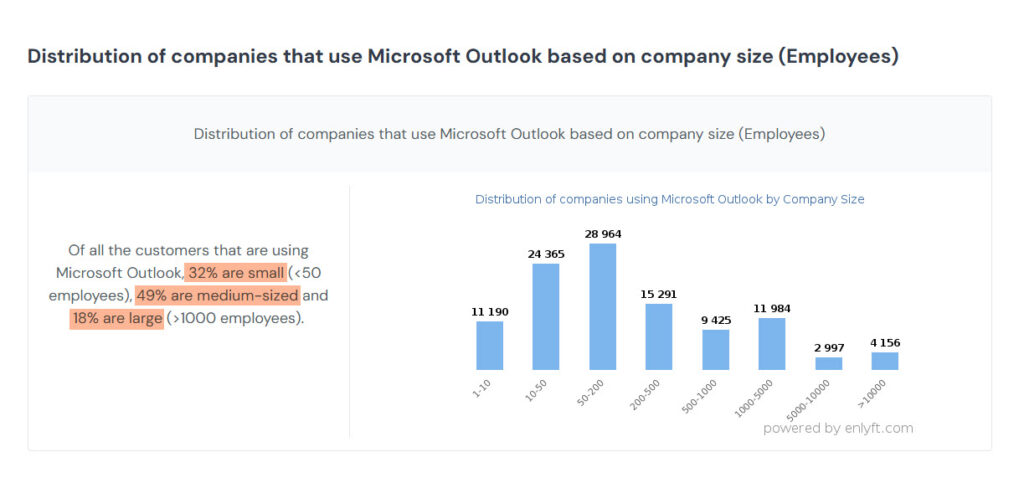
Enlyft analyzed its data of 111,046 companies that use Microsoft Outlook. They found out that 32% are small businesses (<50 employees), 49% are medium-sized, and 18% are large companies (>1000 employees).
These companies use Microsoft 365 Copilot (including Outlook) to improve productivity. Let us share some Outlook tips they use in their daily activities.
1. Set Up Quick Steps
The Quick Steps feature lets users automate repetitive email tasks with a single click. For instance, if you frequently move messages to a specific folder, you can set up a quick step to move them faster with one click.
Note:
You cannot undo Quick Steps using a menu command or a keyboard shortcut like Ctrl+Z. This is because Quick Steps can contain actions such as Permanently Delete that cannot be undone.
Let’s set up Quick Steps.
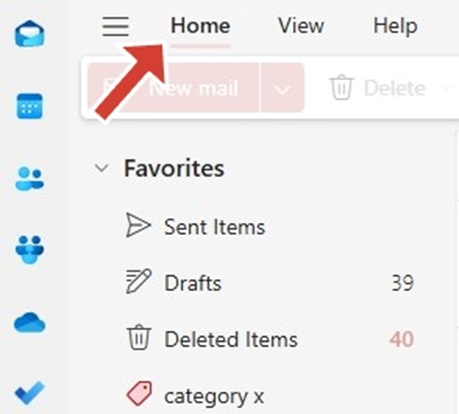
1. Open Outlook and navigate to the “Home” tab.
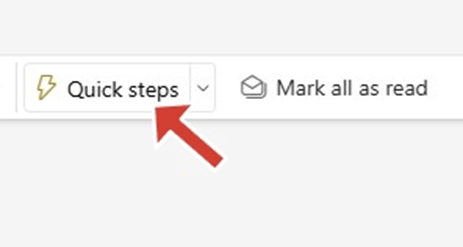
2. In the “Quick Steps” section, click the small arrow to open the Quick Steps Manager.
3. Click Add Quick Step. (Note: Microsoft documents Quick Steps in new Outlook for Windows, classic Outlook, Outlook on the web, and Outlook.com. Available actions can differ by Outlook version. Outlook mobile is not listed in Microsoft’s Quick Steps guidance.)
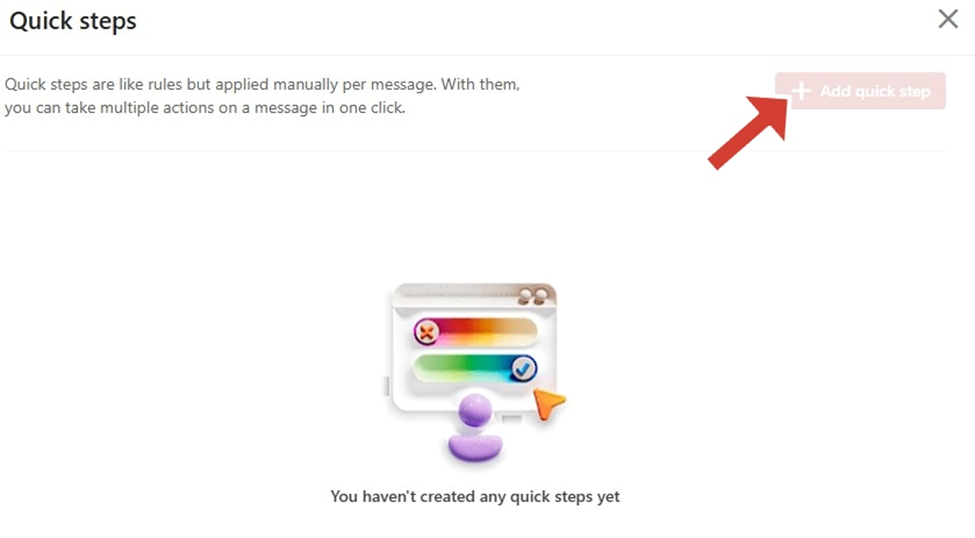
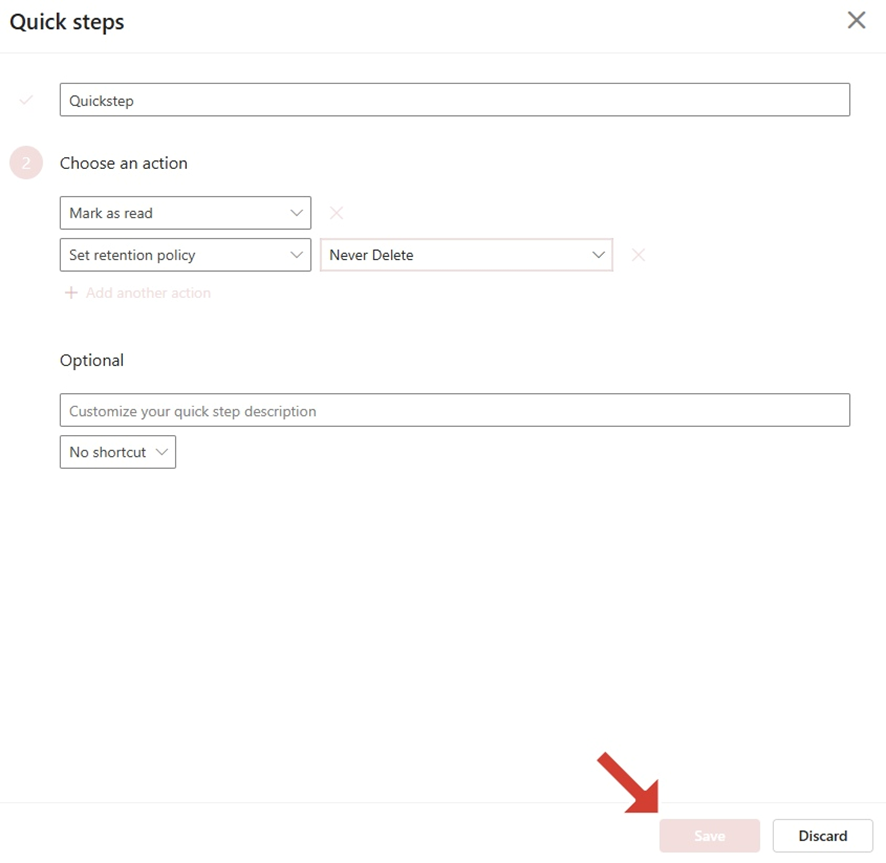
4. Name your quick step, choose an action, such as “Move to Folder” or “Forward, add a shortcut key.
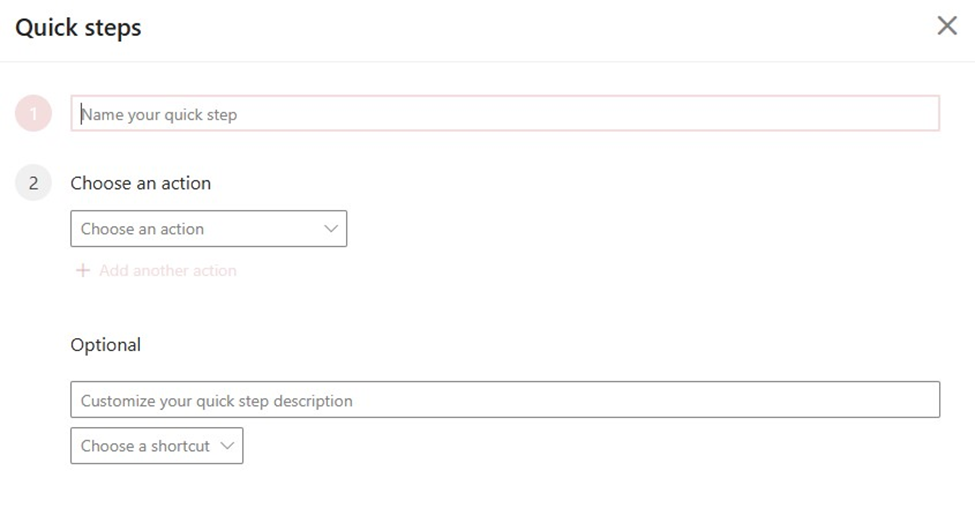
5. Save the Quick Step.
2. Use Keyboard Shortcuts
Like Quick Steps, keyboard shortcuts help you perform repetitive actions faster than using a mouse.
For instance, you can quickly switch between Mail (Ctrl + 1), Calendar (Ctrl + 2), and Contacts (Ctrl + 3). You can also open a new email (Ctrl + N), send an email (Ctrl + Enter), or reply to all (Ctrl + Shift + R).
Here are a few more Outlook keyboard shortcuts:
- Press Ctrl+N to create a new email.
- Use Ctrl+R to reply to an email. (This works only if you’ve selected or opened an email.)
- Try Ctrl+Shift+M to compose a new message from anywhere in Outlook. (Use this to find emails, events, or contacts without manually searching through folders.)
- Access the search bar quickly using Ctrl+E.
To access your keyword shortcuts, go to Settings (gear) > General > Accessibility > and choose the shortcuts version (Outlook for Windows or Outlook for Web).
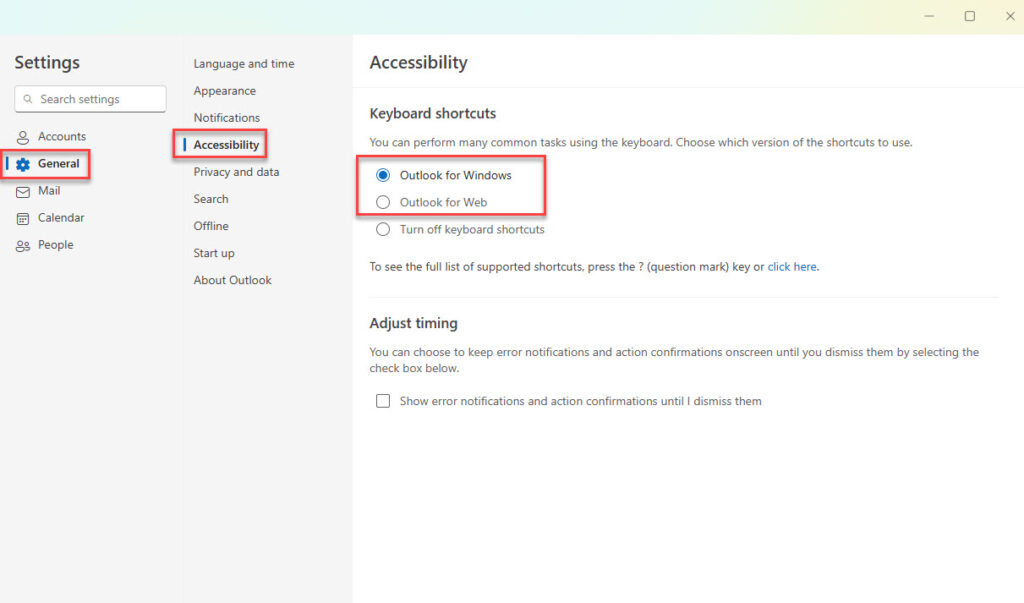
Next, press “Click Here.”
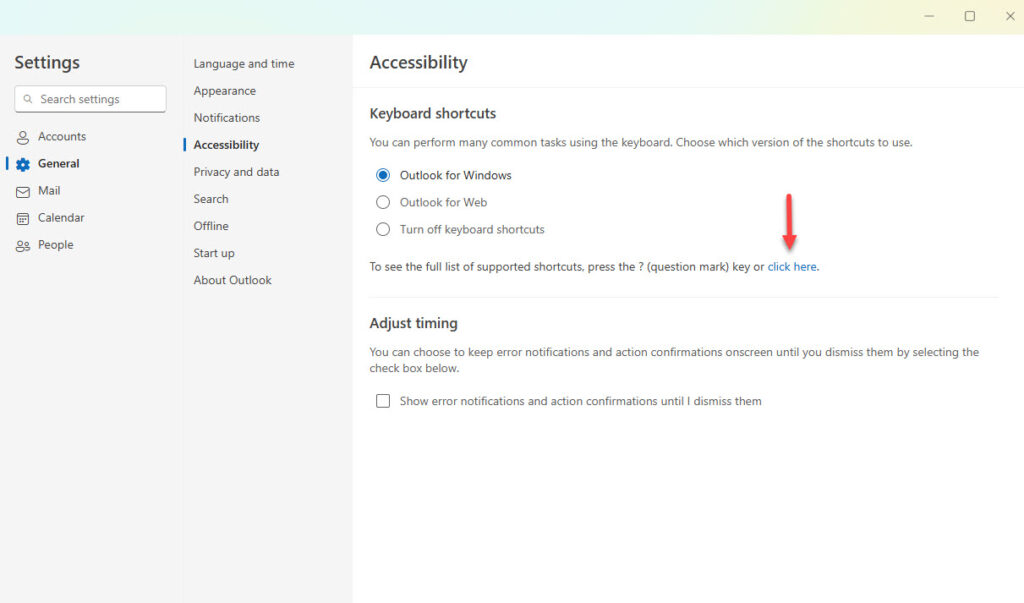
Outlook will show you the complete list of shortcuts.
| Ctrl+N | Create a new item for the current view. In Mail it creates a new message; in Calendar it creates a new calendar item; in People it creates a new contact. | New Outlook. Classic Outlook also uses Ctrl+N contextually. |
| Ctrl+Shift+M | Create a new email message from any Outlook view. | Classic Outlook for Windows. |
| Ctrl+E or F3 | Go to the Search field to find an Outlook item. | Classic Outlook for Windows. |
| Ctrl+R | Reply to the selected message. | New Outlook and classic Outlook. |
| Ctrl+Shift+R | Reply to all. | New Outlook and classic Outlook. |
| Ctrl+F | Forward the selected message. | New Outlook and classic Outlook. |
| Ctrl+Enter | Send the message. | New Outlook and classic Outlook. |
| Ctrl+1 | Go to Mail. | New Outlook and classic Outlook. |
| Ctrl+2 | Go to Calendar. | New Outlook and classic Outlook. |
| Ctrl+3 | Go to Copilot. | New Outlook and classic Outlook where the Copilot view is available. |
| Ctrl+4 | Go to People. | New Outlook and classic Outlook. |
| Ctrl+Shift+B | Open the Address Book. | Classic Outlook for Windows. |
| Ctrl+Shift+C | Create a contact from any Outlook view. | Classic Outlook for Windows. |
3. Sync Outlook Contacts to Employee Smartphones
Companies that use Outlook also sync Outlook or GAL contacts to employees’ smartphones. For example, Skender and The Morse Group, top construction companies, respectively save 1500 and 500 hours in IT labor.
Without a doubt, this sync saves companies thousands of hours and money. Exchange ActiveSync synchronizes mailbox data such as email, calendar, contacts, and tasks. The Global Address List is different from a user’s personal Contacts folder. Outlook for iOS and Android can synchronize or export supported mailbox contacts to the device Contacts app, but this does not mean the organization’s Global Address List is automatically copied into the native phone address book as a centrally managed contact set.
For organizations that need centrally managed GAL or shared-source contacts delivered as native device contacts, use a supported contact synchronization or provisioning workflow. CiraSync is one option for Microsoft 365 environments.
That’s why we created CiraSync, a tool that bridges the Microsoft synchronization gap with the only enterprise-grade solution specifically designed to sync Global Address List contacts to business smartphones.
Here’s how you can Sync Outlook Contacts to Employee Smartphones with CiraSync.
1. Log in to the CiraSync Dashboard.
2. Click the + in the Contact Lists.
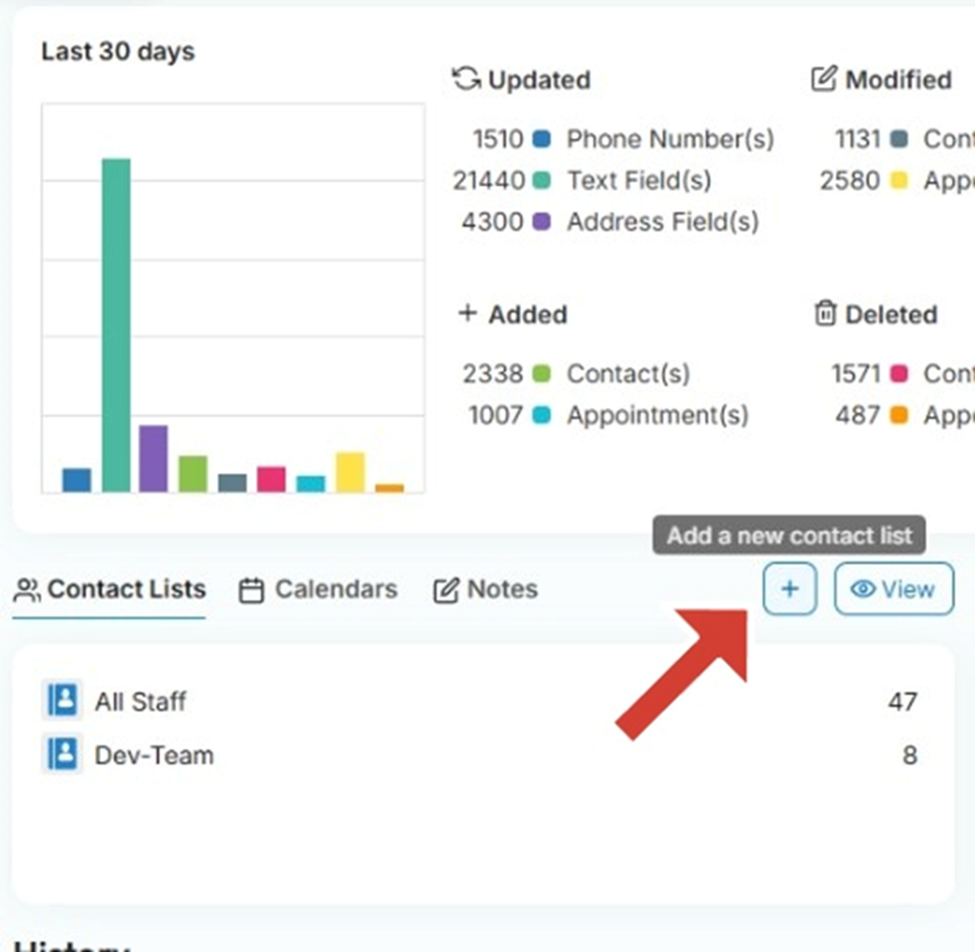
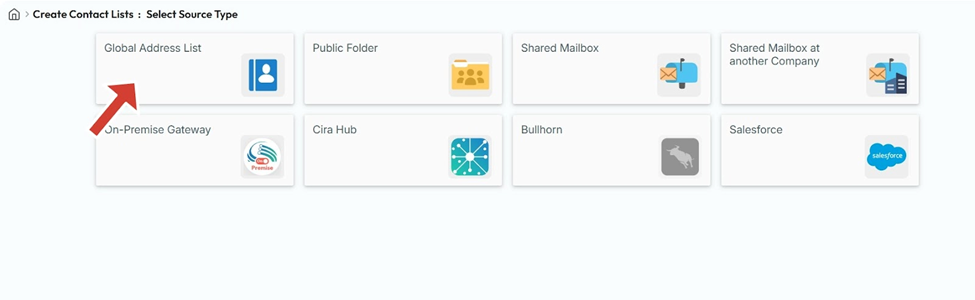
3. Select the Contact source type. CiraSync allows you to sync shared mailboxes at your company, shared mailboxes at another company, public folders, and Salesforce contacts.
We will choose Global Address List for this article.
4. Click on Collections.
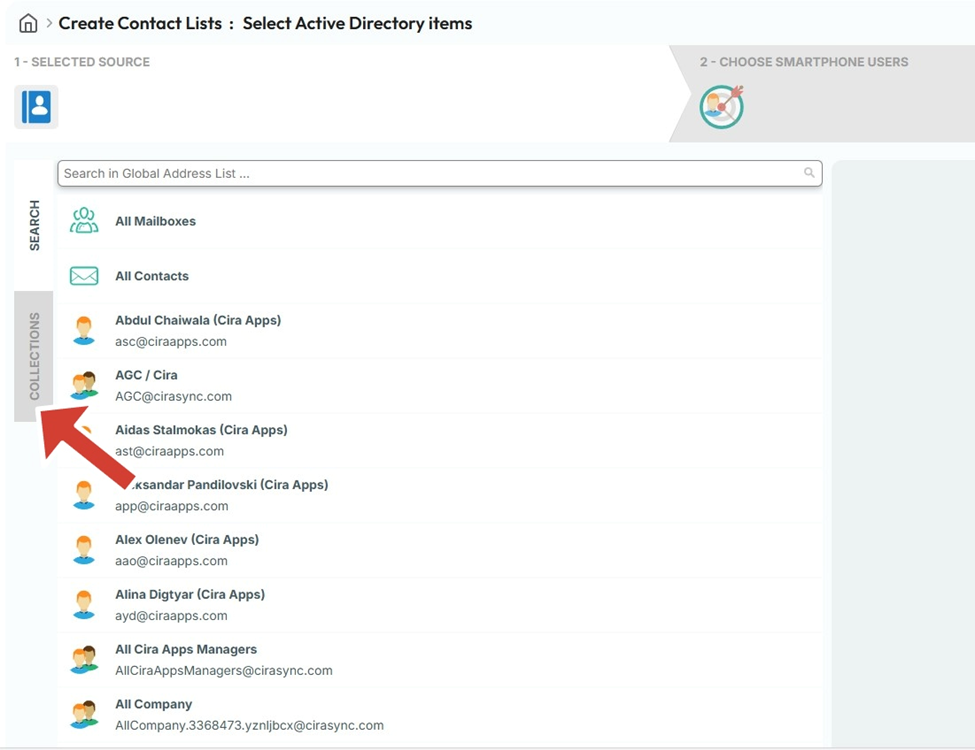
5. Select the desired Contact sources.
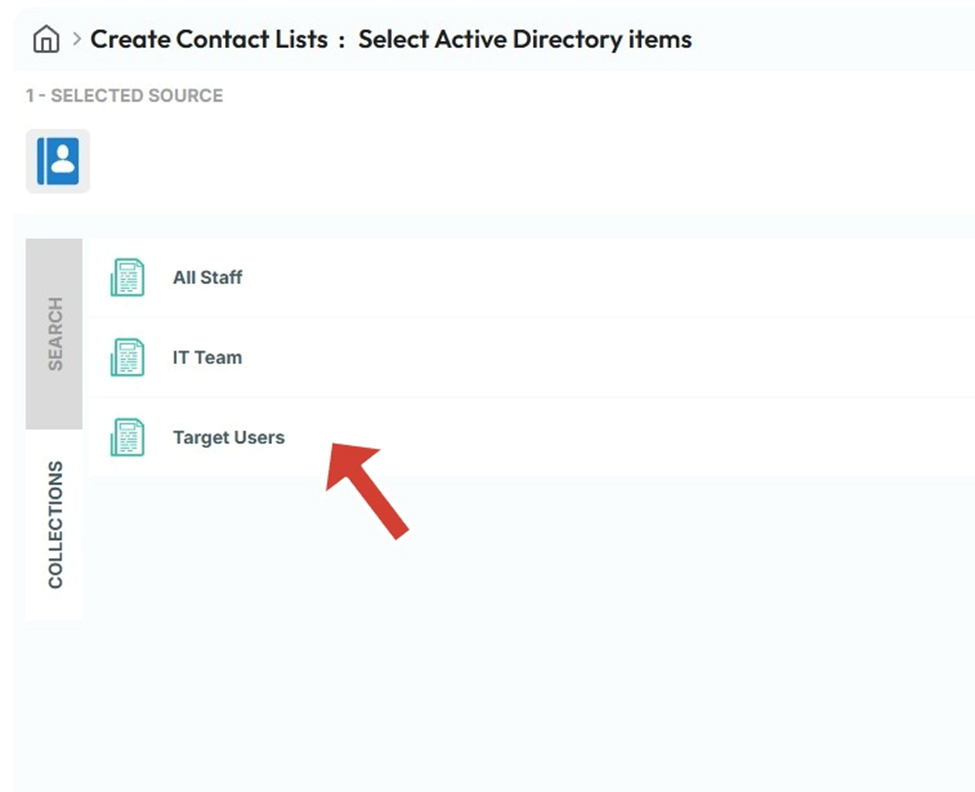
6. Click the NEXT button on the top-right corner.
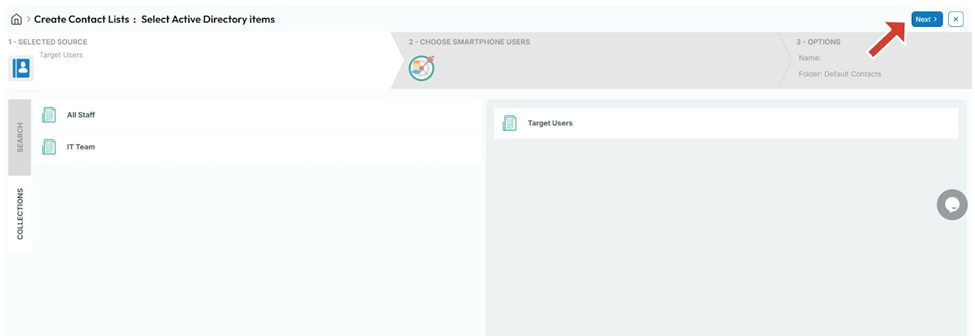
7. Select the user contact you would like to use as a target.
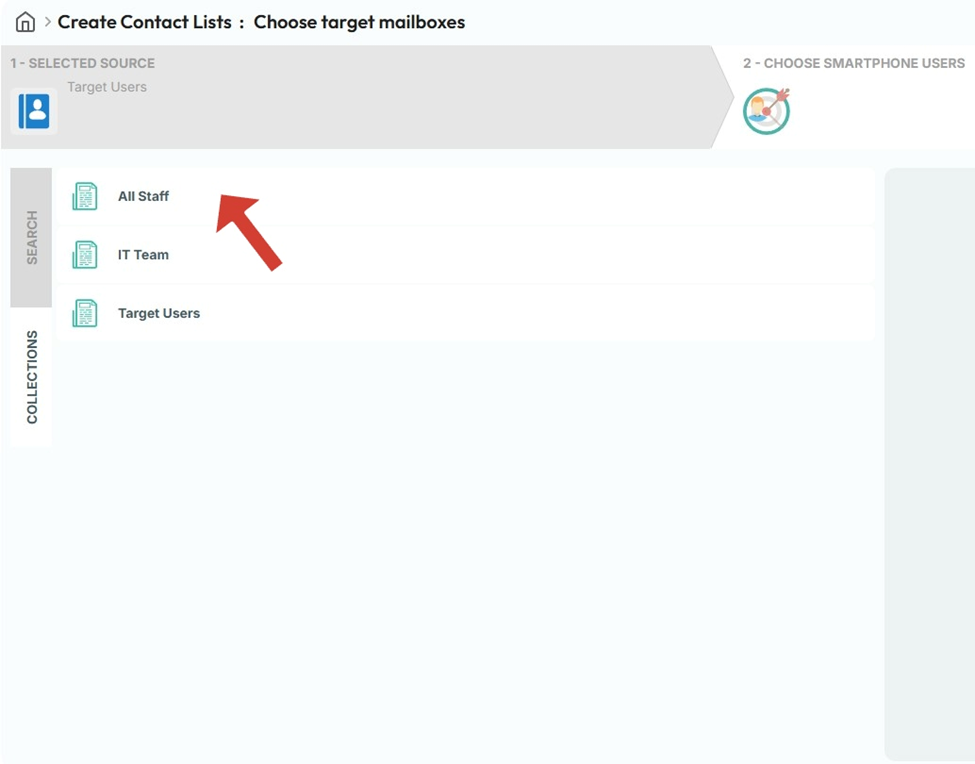
8. Click NEXT in the top-right corner.
9. Name the contact list in the box under Provide Contact List Name. You can also
- Populate the Outlook Auto-Complete List,
- Retain obsolete items,
- Omit note fields, or
- Include disabled accounts.
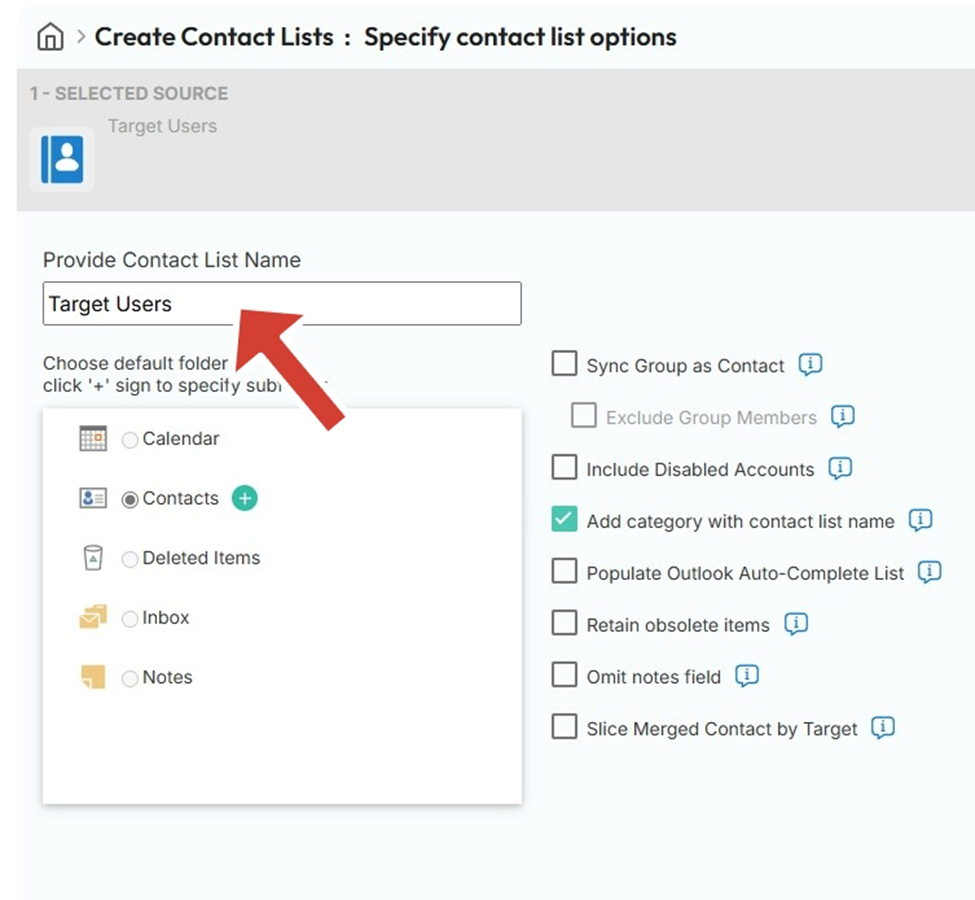
10.Click the + next to Contacts.
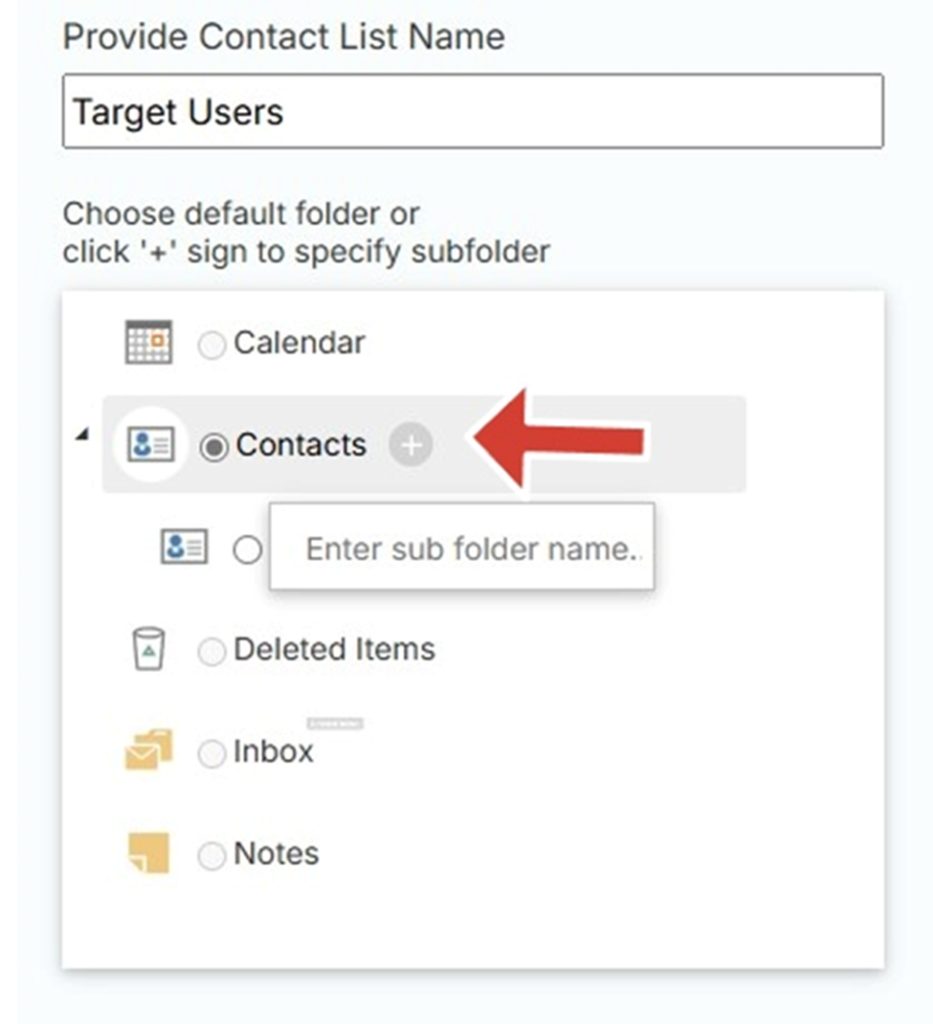
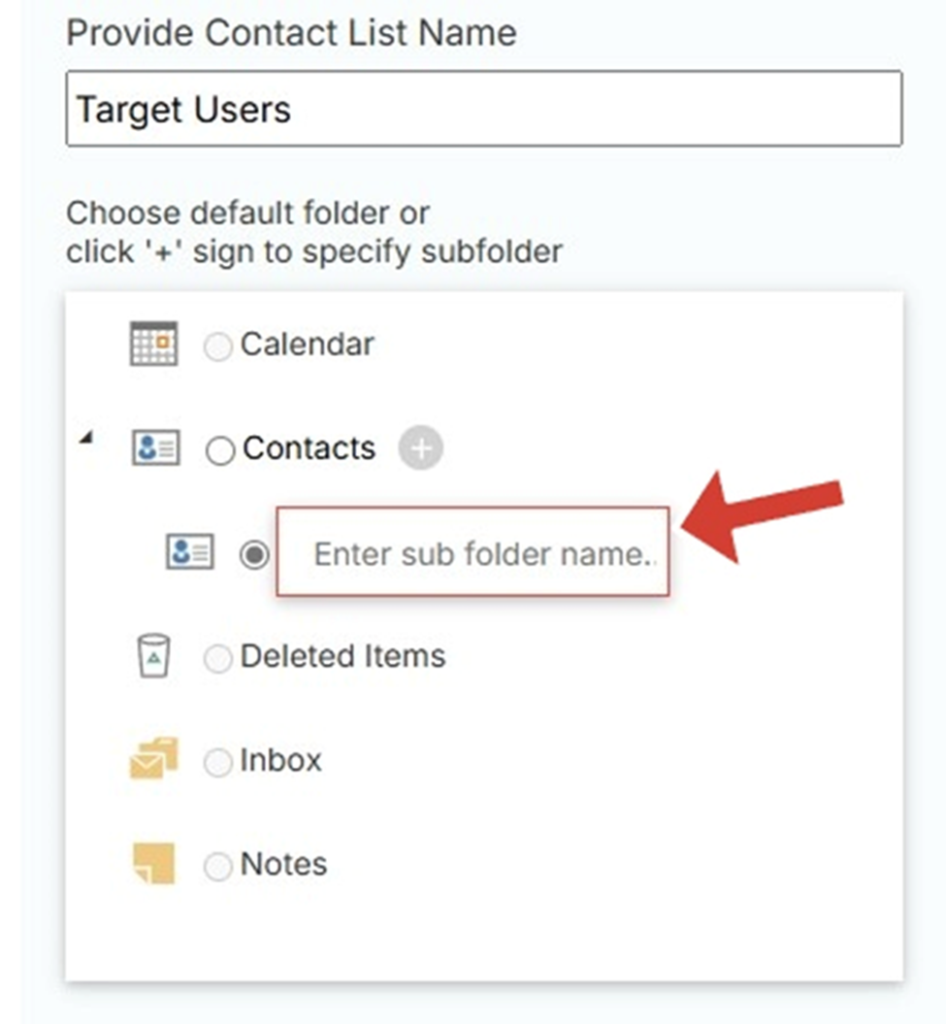
11. Enter the preferred name of your subfolder.
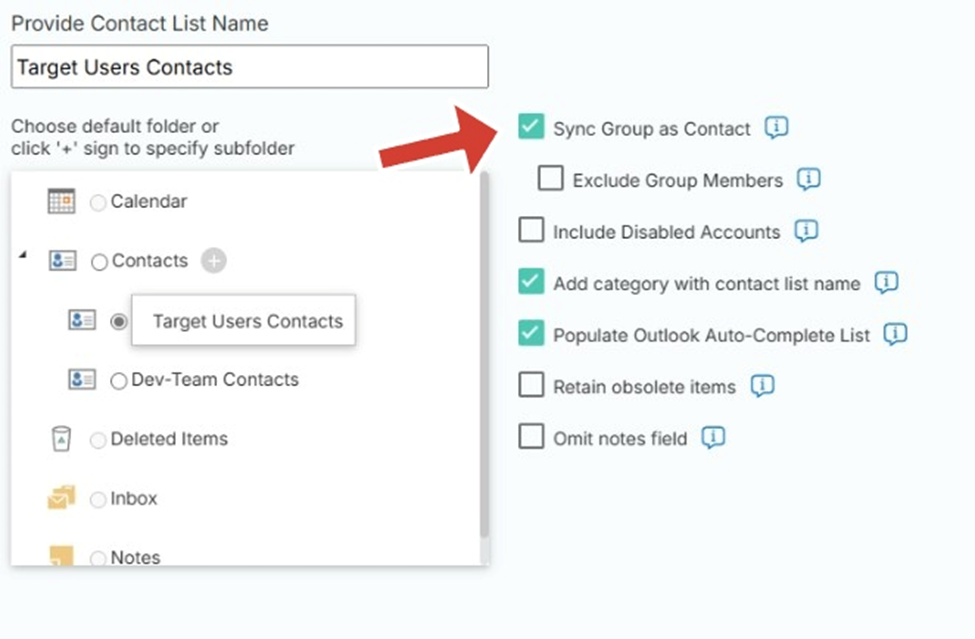
12. Check Sync Contact Groups if you have groups in the contact list and would like to sync members of that group.
13. Check Populate Outlook Auto-Complete List if you want these synced contacts to appear in the Outlook Auto-Complete list.
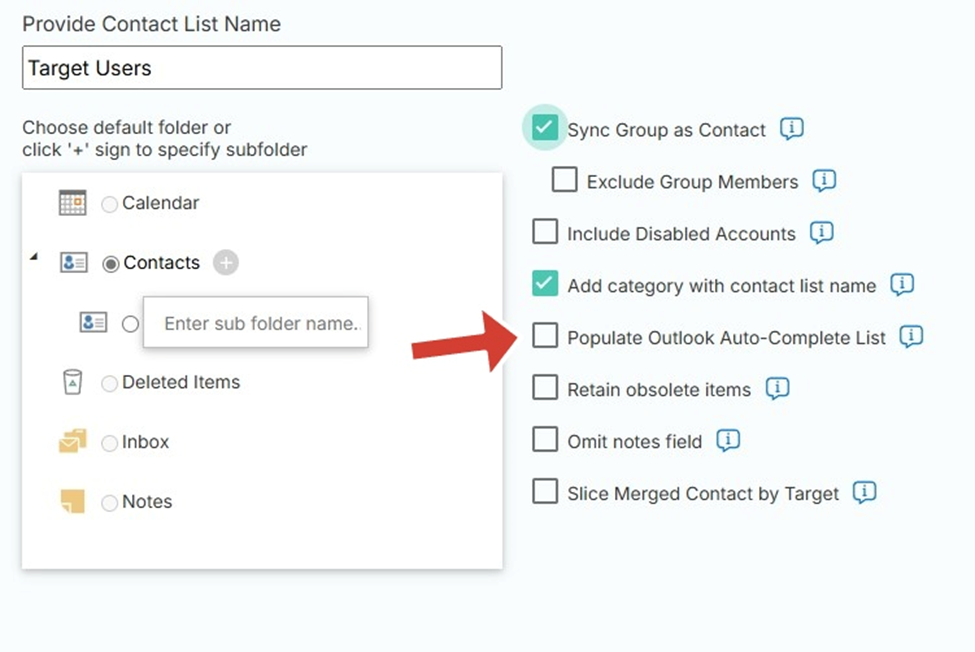
14. By default, CiraSync will remove a contact from the targeted mailbox if it is removed from the Source. If you want to allow users to keep these obsolete items, check Retain obsolete items.
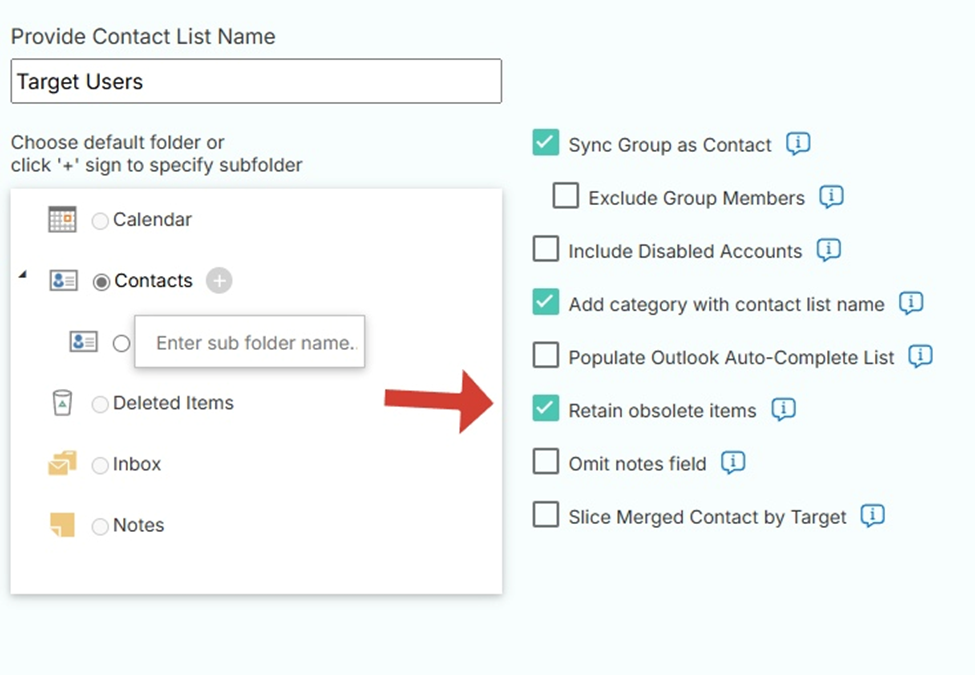
15. Click SAVE.
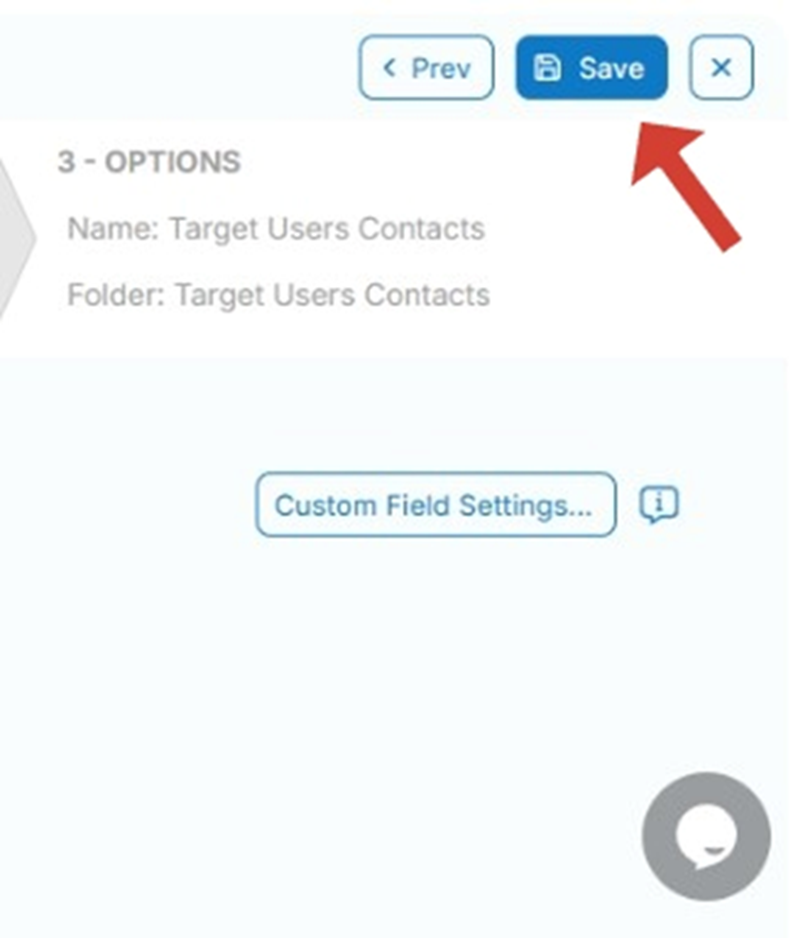
16. You will be taken to the sync summary dashboard.
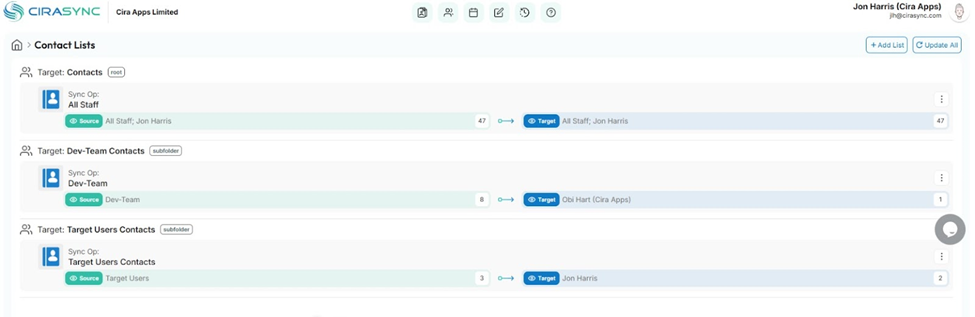
17. Click the CiraSync icon in the top-left corner of the window to return to the CiraSync home dashboard.
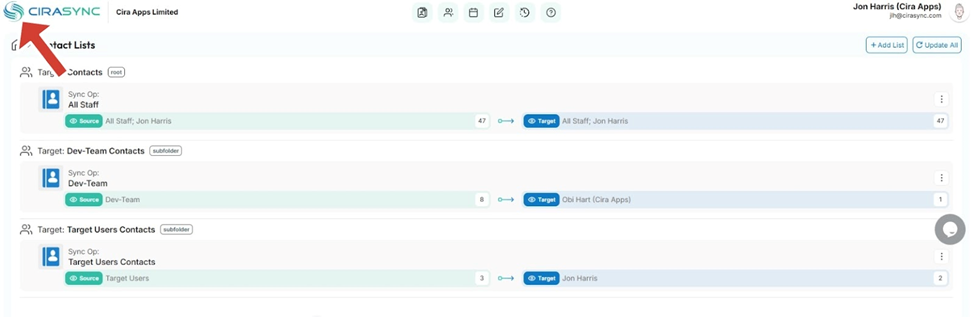
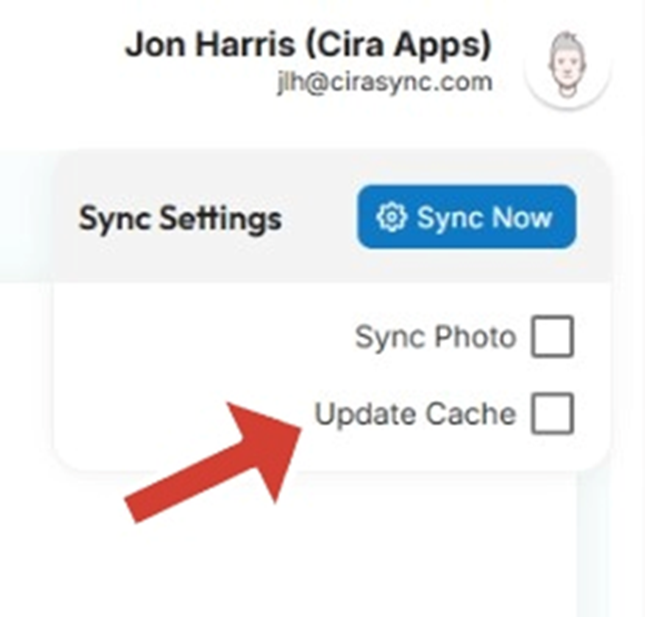
18. Check the Update Cache box under the Sync Status pane in the top-right corner of the dashboard.
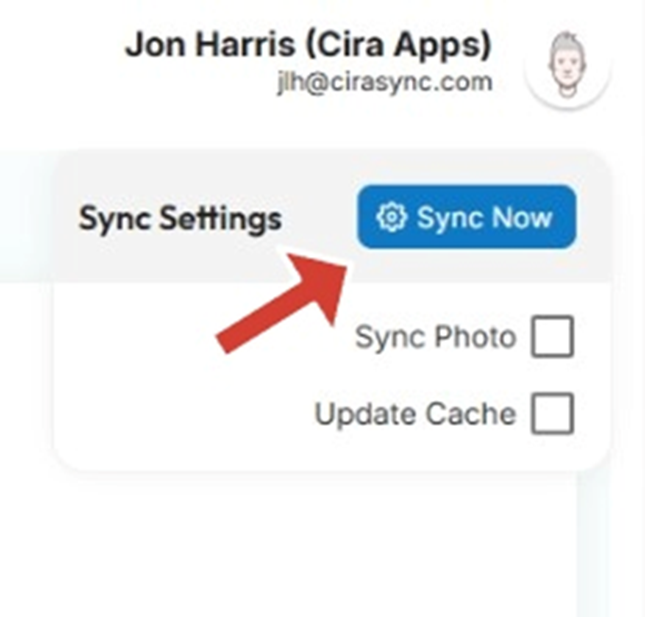
19. Click SYNC NOW to run a manual sync.
4. Use Calendar Reminders
Outlook’s Calendar Reminders feature helps users keep their calendars in order so they don’t miss any crucial appointments or meetings. This is a simple feature that is perfect for any professional who is constantly in and out of meetings every day.
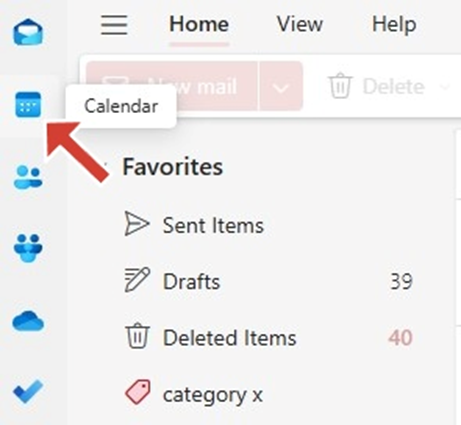
1. Open the Outlook calendar.
2. Double-click on an event or meeting to open its details. (This opens the details page where you can edit the event.)
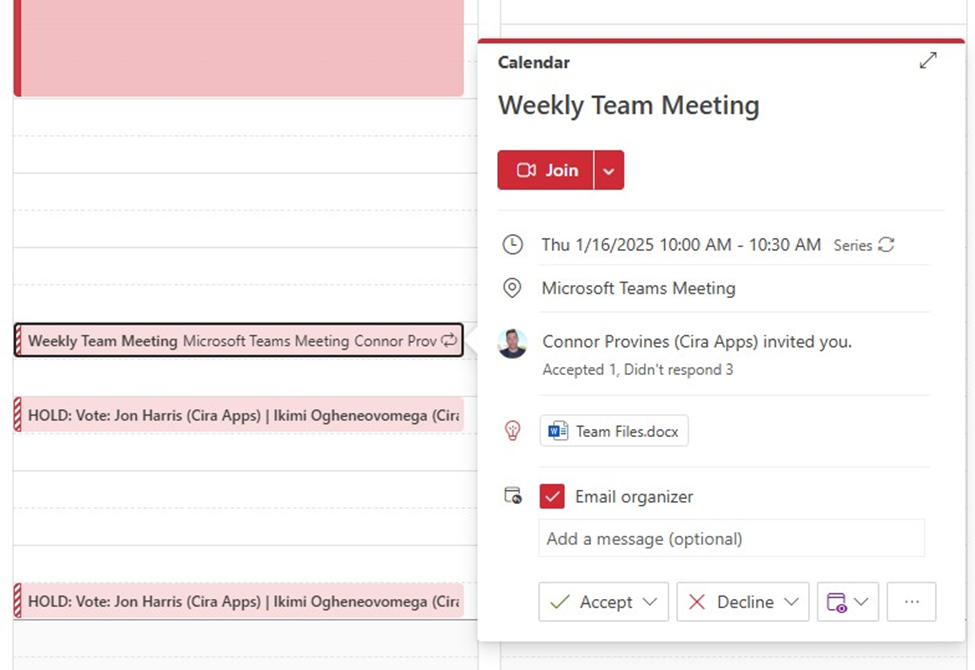
3. Set a reminder by selecting a time frame from the “Reminder” dropdown menu.
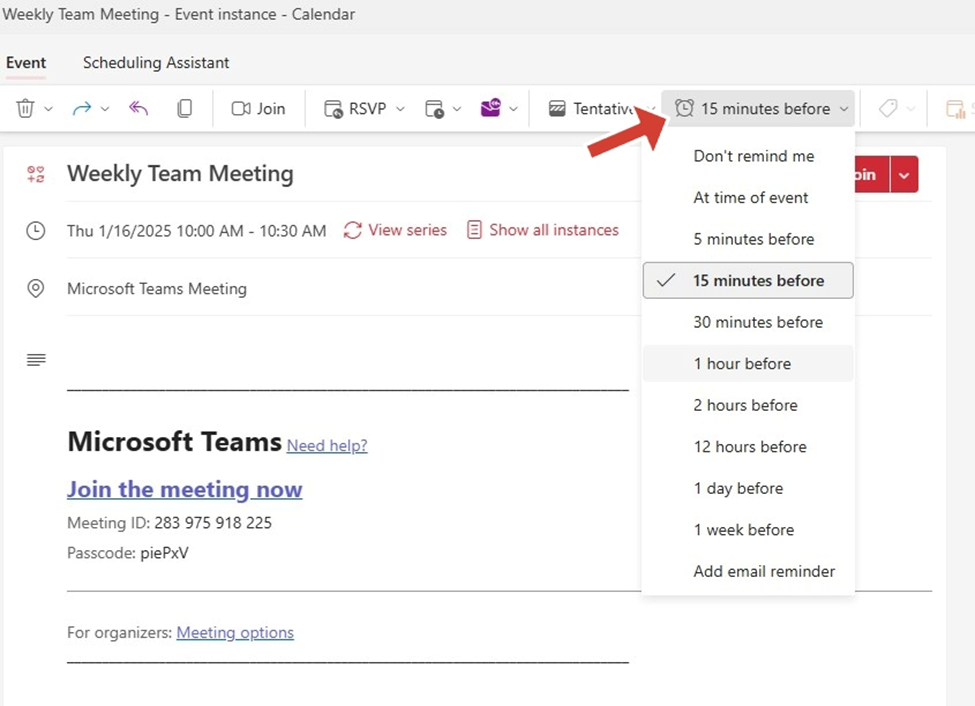
4. Save the event, and Outlook will notify you at the specified time.
Best Outlook Tips for Email Management
Let me share three key email statistics:
- The average office worker receives around 121 emails every workday.
- 40% of email users have at least 50 unread messages in their inboxes, and 1 out of 10 users admitted having over 1000 unread messages.
- 25% of remote workers in the US prefer communicating through email.
These statistics show the importance of efficiently managing your inbox. Let me share a few Outlook tips that will improve your email management.
5. Use Folders to Sort Emails
Outlook email folders help store messages in different folders based on sender, topic, or priority. You can move less urgent emails to dedicated folders or use rules to sort incoming emails into specific folders automatically.
Let me show you how to create an email folder in Outlook.
1. Right-click on “Inbox” and select “New Folder.”
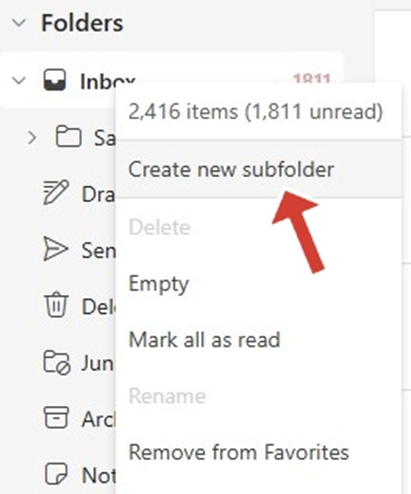
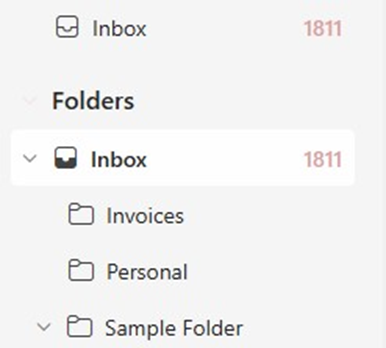
2. Create folders for specific categories, such as “Invoices” or “Personal.”
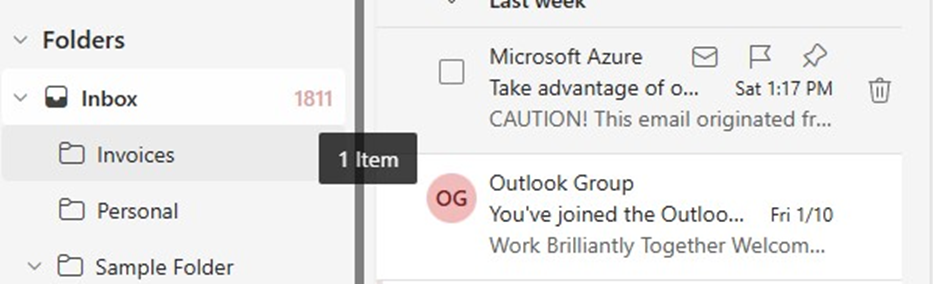
3. Drag and drop emails into these folders to keep your inbox clutter-free.
6. Set Up and Use Rules
Rules allow you to move, flag, and respond to email messages automatically. For example, you can create rules that change the importance level of messages as they arrive, automatically move them to other folders, or delete them based on certain criteria.
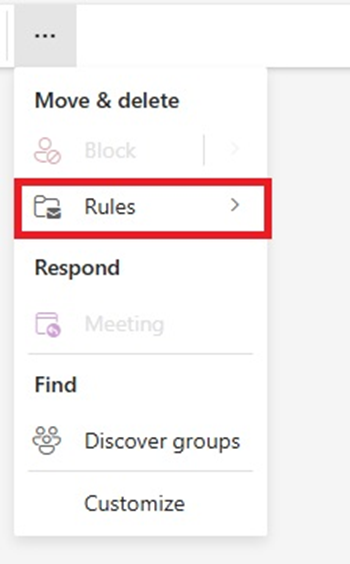
1. Open the “Home” tab and click “Rules” in the “Move” section.
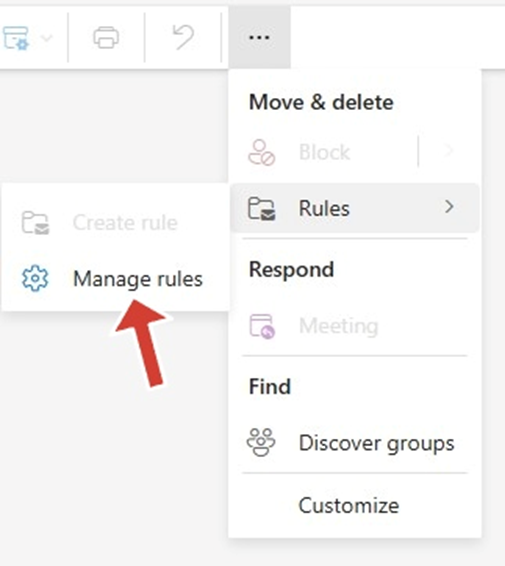
2. Select “Manage Rules.”
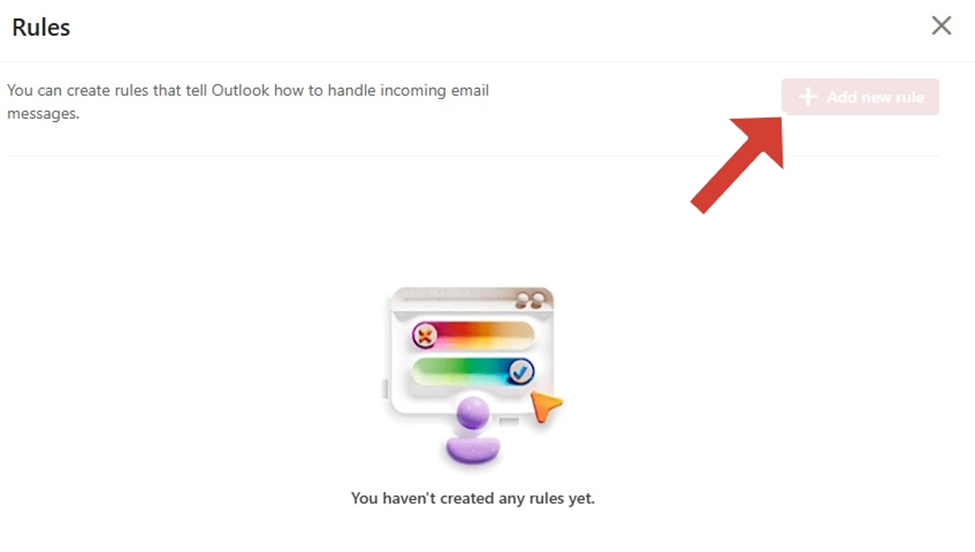
3. Click “New Rule” and choose a template, such as “Move messages from someone to a folder.”
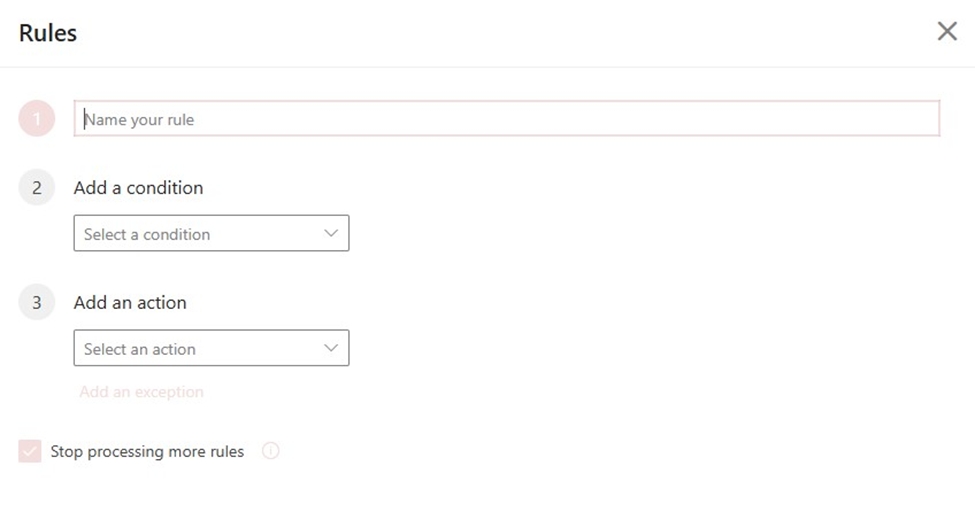
4. Define the conditions, actions, and exceptions.
5. Save the rule and apply it to organize emails automatically.
7. Set Up Automatic Replies
Microsoft 365 subscribers can set up automatic replies for when they are out of the office or unavailable to respond to emails.
Let me show you how it works.
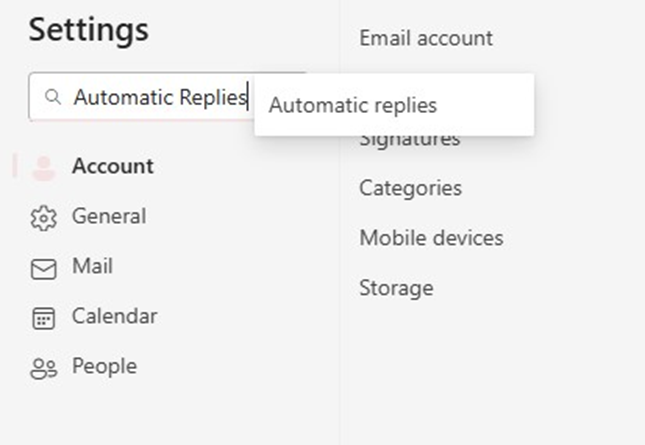
1. Go to settings
2. Type in “Automatic Replies.” and click on it.
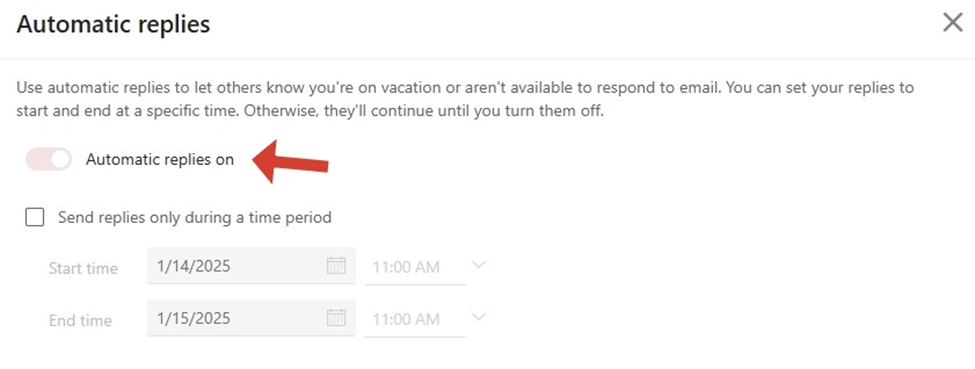
3. Select “Send automatic replies” and specify a time frame (if needed).
4. Compose the auto-reply message for internal and external contacts.
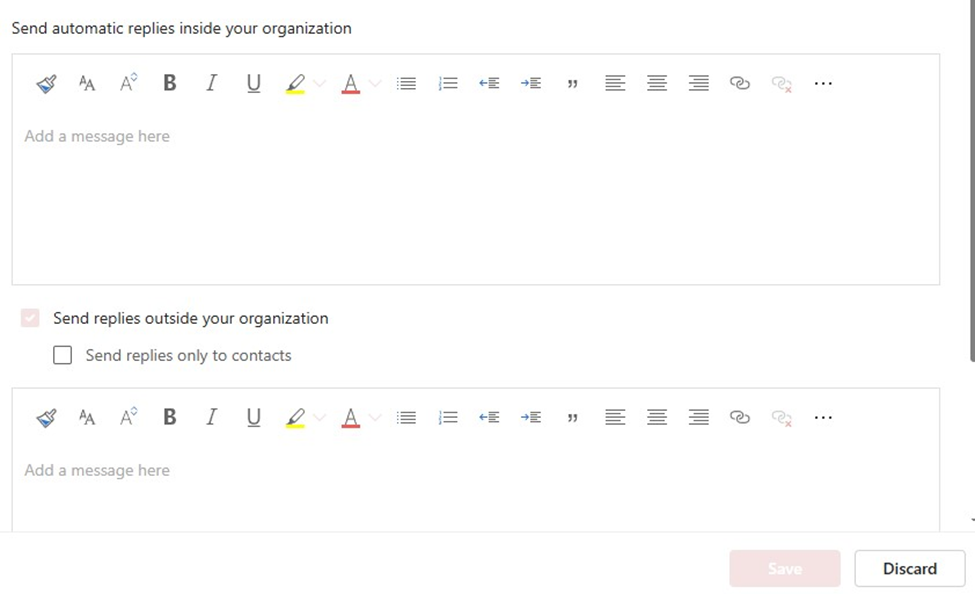
5. Save the settings, and Outlook will respond to emails automatically during the specified period.
Use Copilot in Outlook for Email and Meetings
- Copilot availability in Outlook depends on the Outlook client, account type, subscription, license, and Microsoft 365 tenant settings. Do not describe every Copilot feature as included with every Microsoft 365 subscription.
- Summarize an email thread. On supported Outlook clients, Copilot can summarize a conversation and surface key points. Microsoft also documents attachment summaries for supported file types in some clients.
- Draft an email. Draft with Copilot can create a message from a prompt. Review and edit the result before sending.
- Schedule a meeting from an email thread. In new Outlook, Schedule with Copilot can suggest a meeting title and agenda, attach the email thread, and include people on the thread as attendees. Microsoft states that this feature requires a Microsoft Copilot (Work) license.
- Prepare for a meeting. Prepare for your meeting can summarize relevant context and resources that the user is permitted to access. The amount of information available depends on the meeting and related content.
Use the Best Outlook Tips
In this guide, we shared the best Outlook tips and tricks to manage your emails, contacts, calendars, and more.
For example, we saw how to use Quick Steps, keyboard shortcuts, and calendar reminders. We also used CiraSync to sync and update Outlook contacts to iPhone and Android devices.
Now is your turn to apply them daily and improve your productivity.
We often write similar articles that help Outlook users. Check out the following for example:
- How to Create Contacts in Outlook?
- What is the Offline Global Address List?
- How to Update the Global Address List?
- How to Export the Offline Global Address List?
Frequently Asked Questions
What are useful Outlook tips for productivity?
Use Quick Steps, Rules, Categories, Calendar reminders, and keyboard shortcuts to reduce repetitive work. Use Copilot features only where the account, license, client, and tenant settings support them.
What does Ctrl+K do in Outlook?
In classic Outlook mail, Ctrl+K checks recipient names. In new Outlook, Ctrl+K inserts a hyperlink when you are editing text.
Is classic Outlook being discontinued?
Microsoft is moving customers toward new Outlook for Windows in stages, but existing installations of classic Outlook continue to be supported until at least 2029. Microsoft has not published a final cutover date in its current migration guidance.
How do I check whether Outlook has a Microsoft 365 service issue?
Microsoft 365 administrators can check Health > Service health in the Microsoft 365 admin center. If the admin center cannot be reached, Microsoft also provides a service status page for known sign-in or service issues.
What should I do if Outlook keeps closing or stops responding?
Use Microsoft’s troubleshooting guidance for the Outlook version you are using. For classic Outlook, Microsoft recommends checking updates and can use Safe Mode to identify add-in conflicts, then profile or Office repair steps if required. New Outlook has separate restart and reinstall troubleshooting steps.